
Celebrating and protecting marine life is more important than ever as the High Seas Treaty becomes reality, say The Wildlife Trusts.
The epic migrations of humpback whales and Arctic terns, alongside the small but vital daily movements of limpets, are among the incredible journeys being uncovered as part of The Wildlife Trusts’ National Marine Week – 25 July – 9 August – a nationwide celebration of Britain’s coastlines and the wildlife they support.
Each year, many species return to or pass through UK waters, following routes they have used for thousands of years to feed and breed. Some undertake extraordinary feats of endurance, travelling vast distances across oceans, while others depend on smaller but equally important movements to survive.




By celebrating the extraordinary wildlife embarking on these epic travels – whether that’s giant whales crossing the Atlantic Ocean, fish swimming from sea to stream, or shoreline animals returning to familiar spots – The Wildlife Trusts aim to highlight the incredible wildlife in UK seas and the connections between them, both within and beyond national borders.
The focus on protecting these species, and wider marine life, comes at a pivotal moment. The global High Seas Treaty came into force earlier this year — creating, for the first time, a legal framework to establish protected areas in waters beyond national borders. The Wildlife Trusts are calling on the UK Government to work with other nations to ensure this Treaty results in the effective management of nature in international waters, while continuing to call for action at home to protect marine life in UK waters.
Marine biologist, wildlife filmmaker and ambassador for The Wildlife Trusts, Inka Cresswell says: “My work has taken me all over the world, and it’s shown me how connected our waters really are. From magical rockpools to the deep ocean, marine wildlife depends on healthy places to live, and what happens in one place can ripple out to others — from rivers and streams to the coast and open sea — shaping life across entire ecosystems in ways we don’t always see.
“That’s why National Marine Week is so important — it’s a chance to celebrate our seas and discover the incredible wildlife they support beneath the waves and around our coasts.
“Everyone can get involved, whether you live by the sea or further inland — from exploring your local wildlife and joining events, to simply learning more about the seas around us. Together, we can help protect our precious waters and the species that depend on them.”
The star species The Wildlife Trusts are highlighting during National Marine Week include:
- Humpback whales, undertake long-distance ocean migrations and are now making a comeback, with sightings in UK seas increasing.
- Arctic terns, summer visitors to the UK, arriving in April to breed and leaving by September, renowned for the longest migration of any animal.
- European eels, a protected species in steep decline. These elusive eels drift upstream as juveniles to freshwater habitats. Then, when fully mature, they embark on a mammoth migration back to the biodiverse Sargasso Sea to breed.
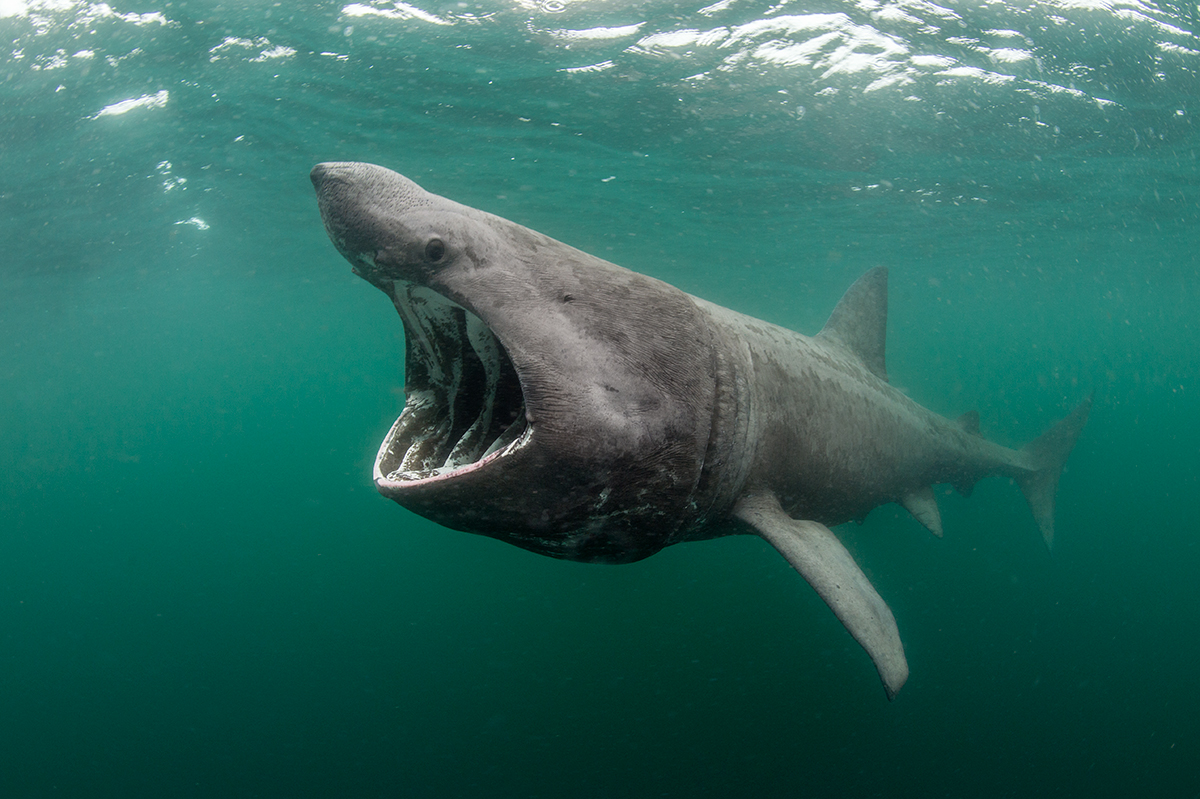
- Basking sharks, the largest shark in UK seas, growing up to 12m in length, gather in UK waters each summer. Despite their size, they feed on tiny plankton that they filter through their enormous mouths.
- Limpets, often seen clinging to rocks in seaside rockpools, move around eating algae when the tide is in but return to the same ‘home’ spot at low tide – a small but mighty vital endeavour.
Attracting thousands of nature-lovers to shores around the UK each year, National Marine Week features a range of events and activities running throughout the fortnight, uncovering the secrets behind these remarkable species and showing what people can do to protect marine wildlife.
Daniele Clifford, marine conservation officer at The Wildlife Trusts, says: “People often think you have to travel abroad to see incredible marine life, but there are amazing animals living in and travelling through UK waters. From gigantic whales to soaring seabirds and limpets on the move, there are Blue Planet moments happening off our coasts every day.
“On their journeys these animals face many challenges – from crossing vast oceans, to avoiding accidental capture in fishing gear and navigating man-made barriers. Protecting wildlife on these journeys and restoring the waters they rely on has never been more urgent.
“This National Marine Week, we’re encouraging everyone to responsibly explore the wildlife on their doorstep, get involved in local events and join us in restoring and protecting the UK’s connected waters.”
With increasing pressures from fishing, unsustainable development, climate change, pollution and habitat loss, protecting marine wildlife and the vital journeys they undertake depends on action at every scale – from restoring rivers and safeguarding coastal and marine habitats to securing protections in international waters.
To help people take part in National Marine Week, The Wildlife Trusts are providing:
- A free activity sheet highlighting some of the incredible journeys and species, providing families and nature lovers alike with fun ways to explore marine wildlife.
- Events and activities up and down the coasts – from whale and dolphin watching to rockpooling – so everyone can get involved and discover more about these extraordinary journeys.
Additionally, The Wildlife Trusts are calling for the public to make a pledge for the sea through simple actions that can make a real difference to marine wildlife. These are:
- Being careful about what is washed down the sink — everyday household products can pollute waterways and harm marine life.
- Choosing sustainable seafood, for those who eat fish, to help protect fish populations and fragile ecosystems.
- Reducing plastic use to prevent pollution reaching rivers and the sea.
The pledges will be logged on an online map showing growing public commitment across the UK to protecting connected waters – from source to sea and beyond. Meanwhile, the UK Government must honour its commitments under the High Seas Treaty and lead with ambition to ensure strong, meaningful protections that help secure a better future for people, wildlife and oceans worldwide.
To find out more about National Marine Week and to discover an event near you, visit: wildlifetrusts.org/national-marine-week