





 Nick Ogden, Performance Marine Group Chairman, considers the future of boat ownership.
For generations, buying a dinghy has followed a familiar path. You save up, make a significant upfront investment, maintain the boat for years and, when the time comes, sell it privately before starting the process again.
That model has served sailing well for decades. But as consumer expectations evolve, it is worth asking whether it remains the best way to grow participation in our sport.
One of the biggest challenges facing sailing today is not enthusiasm. Everywhere I travel, I meet people who want to get on the water, learn to sail or return to the sport after time away. The challenge is often access.
For many sailors, particularly young adults and families, the upfront cost of ownership can be difficult to justify. Sailing clubs face similar pressures when looking to replace ageing fleets or expand training programmes. The result is that perfectly capable sailors can find themselves delayed from taking the next step in their sailing journey.
FOCUS ON BUYING
The marine industry has traditionally focused on improving boats – making them faster, lighter, stronger and more durable. Those advances are important, but what is missing is the need to also look at the access and structure that sits around boat buying itself.
In almost every aspect of modern life, consumers now expect flexibility. Whether it is cars, technology or financial services, people increasingly value choice, transparency and predictable costs. Ownership is no longer always viewed as an all-or-nothing decision.
Sailing has been slower to adapt to that shift. That does not mean traditional ownership disappears… Far from it! Many sailors will always want to buy and own their boats outright, however creating additional pathways into ownership can only be positive for participation in the sport.
We are also seeing a growing focus on value throughout the entire lifecycle of a boat. Buyers want confidence not only in the quality of the product but in its long-term value, maintenance requirements and future resale potential. Clubs are thinking in similar terms as they seek sustainable ways to manage fleets over time.
TECH ADVANCES
 Technology is beginning to help. Digital asset tracking, lifecycle management tools and more sophisticated insurance and finance models are creating opportunities to make ownership more transparent and predictable.
In many ways, the marine sector is starting to benefit from innovations that have transformed other industries over the past two decades.
The insurance market is evolving too, in line with data and asset intelligence improving, providing a potential to develop smarter solutions that better support both individual sailors and club fleets while reducing complexity and uncertainty.
Ultimately, if we want more people sailing and more clubs thriving, we need to continue looking beyond the boats themselves. The future growth of our sport will depend on how effectively we remove barriers to participation and make access to equipment easier, more flexible and more sustainable.
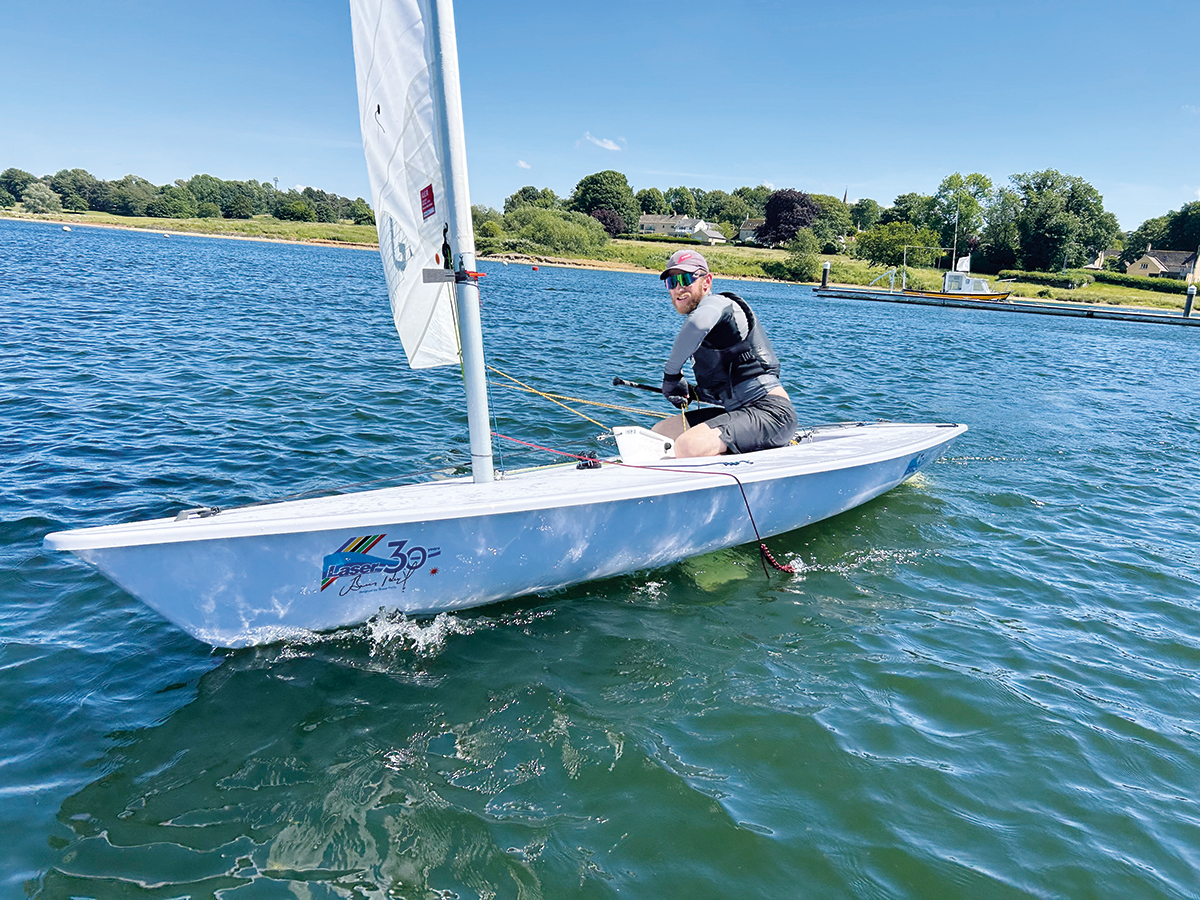
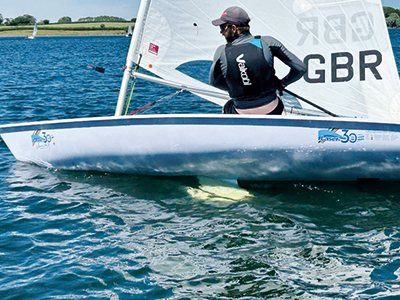
The Bruce Kirby Laser design became one of the world’s most successful dinghies because it made competitive sailing accessible to generations of sailors. As an industry, we should continue building on that principle.
The objective is not to change sailing, but to make it easier for more people to enjoy it.