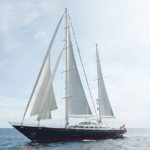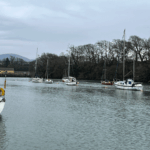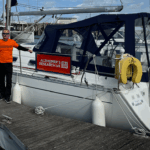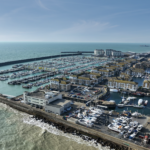




As much of southern and central England is due to experience another heatwave this week and animal charities urging a “dog lockdown” during the latest heatwave, many families are still choosing to make the most of summer with UK staycations on the water, and bringing their dogs along for the ride.
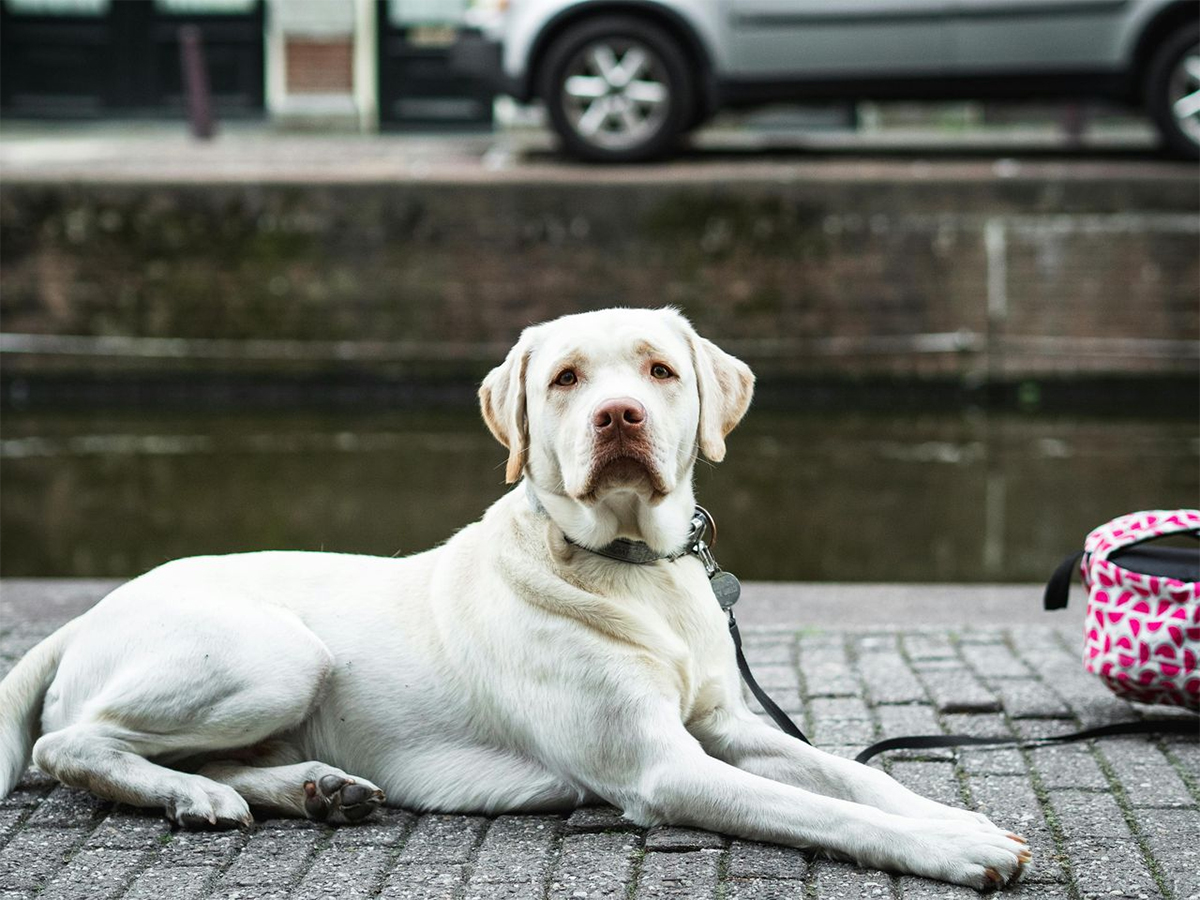
Pet-friendly holidays are high on the agenda for UK families. Data shows that 37% of families now travel with their dogs, an increase of almost 20 percent compared to a decade ago.
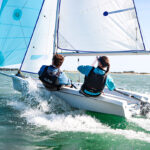
Dog-friendly boating holidays are a brilliant option for bonding, gentle exercise and calm, scenic time together. And boats are a popular choice for staycationers. According to the Canal & River Trust, around 450,000 people enjoy holidaying on Britain’s canal network every year.
However, holidays on the water bring their own set of risks, particularly during a heatwave. Slippery decks, sudden movements, hot surfaces, currents near locks and the chance of a dog overboard all mean safety needs to come first.
RNLI data shows that 308 dog-related incidents happened in water between 2021 and 2025, around one incident per week on average. One-third of these incidents occurred during the summer months.
TopDog, an independent UK pet company, has launched a practical new guide to having a safe pet‑friendly boat break, designed to help dog owners plan stress‑free adventures with their four‑legged first mates. The guide covers pre‑trip training, lifejackets, towpath etiquette and more.
Here are 5 ways to keep your dog safe on a staycation boating holiday, from TopDog’s experts.
-
Introduce them to the boat before heading out
It’s important for your dog to learn that the boat is a safe place rather than a scary one. So start with a calm, stationary boat rather than a moving one. Let your dog sniff, explore and step on and off at their own pace, using treats and a relaxed voice so the boat becomes familiar.
Before setting off, let your dog spend a little time on the moored boat so they can learn where to stand, lie down and move without pressure. If the engine noise or movement seems to unsettle them, keep the first outing shorter and build up gradually rather than pushing through stress.
It also helps to practise boarding and disembarking in the same calm way every time. This is where a fixed routine really pays off, if you do things in the same order, with the same commands, and the same person handling the lead and rewards, this will be beneficial.
For smaller dogs, lift them carefully rather than expecting them to jump; for larger dogs, use stable steps or a safe gangway if available.
Nervous dogs, older dogs and dogs with mobility issues might need a slower introduction. Keep the first few sessions short, choose calm weather and a stable mooring, and let one person become the dog’s dedicated handler so they always know who to follow. If your vet has previously advised a travel aid or anti-nausea medication, ask before the trip whether that still makes sense for your dog’s health and travel routine.
For older dogs, comfort matters as much as confidence. Low steps, non-slip surfaces and short outings with plenty of rest are better than long, ambitious days at first.
John Skinner, TopDog co-owner says “Giving your dog plenty of time to sniff and a predictable routine means they’ll quickly relax and trust that the boat is a safe place, and a relaxed dog is much less likely to panic or slip.”
-
Use a well-fitting dog life jacket
A proper dog lifejacket should fit the dog’s chest and torso securely, have a sturdy grab handle, bright or reflective panels and adjustable straps that stop it sliding around in the water.
The fit matters just as much as flotation, because an ill-fitting jacket can twist or rub when the dog moves. Always check the size against your dog’s body shape, not just breed name or weight alone.
A lifejacket is especially important for smaller dogs, older dogs, brachycephalic breeds and dogs that are enthusiastic but not strong swimmers. Even if your dog loves the water, fatigue or cold can change the picture quickly. Think of the lifejacket as the first layer of emergency protection, not an optional extra.
-
Protect against heat and dehydration on the water
Dogs can become dehydrated quickly in warm weather or after excitement, and on a boat they may not show it until they are already tired. Create a shaded resting spot on board where your dog can lie out of direct sun, and don’t assume the cabin alone is enough if it is stuffy. Be sure to make sure a bowl of fresh water is available too.
“In all the excitement of being on the boat, the signs of dog dehydration can be easy to miss,” says John. “Keeping fresh water in constant supply rather than offering it occasionally is absolutely essential”
-
Plan for toilet breaks and “dog overboard” scenarios
Plan regular toilet and stretch breaks at mooring points. For daily walks, knowing when it is too hot to walk your dog is just as important during a boating trip as it is on land – don’t let a sea breeze trick you into thinking the pavements will be cooler than they really are when you’re back on land, for example.
Dogs that are nervous, older or small often need more frequent stops than their owners expect, and canal life can become uncomfortable if breaks are left too long. If you are travelling at cooler times of year as well, TopDog’s guide on when it’s too cold to walk your dog is a useful seasonal companion read.
If a dog falls into the water, it is important to stay calm do the following things, in this order:
-
Stop the engine
-
Keep eyes on the dog
-
Use the lifejacket handle to help guide or lift them back to safety if it is safe to do so
Experts at Mercury Marine say: “One person should keep his or her eyes on your pet in the water at all times, while the captain circles back to the dog and cuts the engine before getting too close.”
Do not jump in unless there is no safer option and you are confident you can rescue both yourself and the dog. In the event of your dog going overboard, having a pre-practised plan makes a huge difference, especially on busy canals or near locks.
It is also smart to practise what you would do before the trip starts.
Rehearse who grabs the lead, who reaches for the lifejacket handle and where the dog would be brought aboard. This is one of those situations where a calm routine matters more than speed.
-
Secure your dog with a harness
For walking off the boat, adjustable dog harnesses are a sensible option to make sure you maintain a comfortable and secure fit at all times. If your dog is likely to get wet or is a keen swimmer, you might want to opt for a quick-drying, softer-feeling alternative. This will prevent your pooch having to wear a soggy harness that chafes against their skin, which could cause irritation.
And then use a fixed-length lead rather than an extendable one once you’ve stepped off the boat, so you keep better control near water, locks and towpaths.
Planning for a successful boating holiday with your dog
“Dog‑friendly boat breaks are a brilliant way to enjoy a UK staycation with your dog,” concludes John. “But the potential for danger should not be overestimated. With a little forward planning and some pre-holiday practices, it will be a relaxing break for everyone, including your pooch.”