

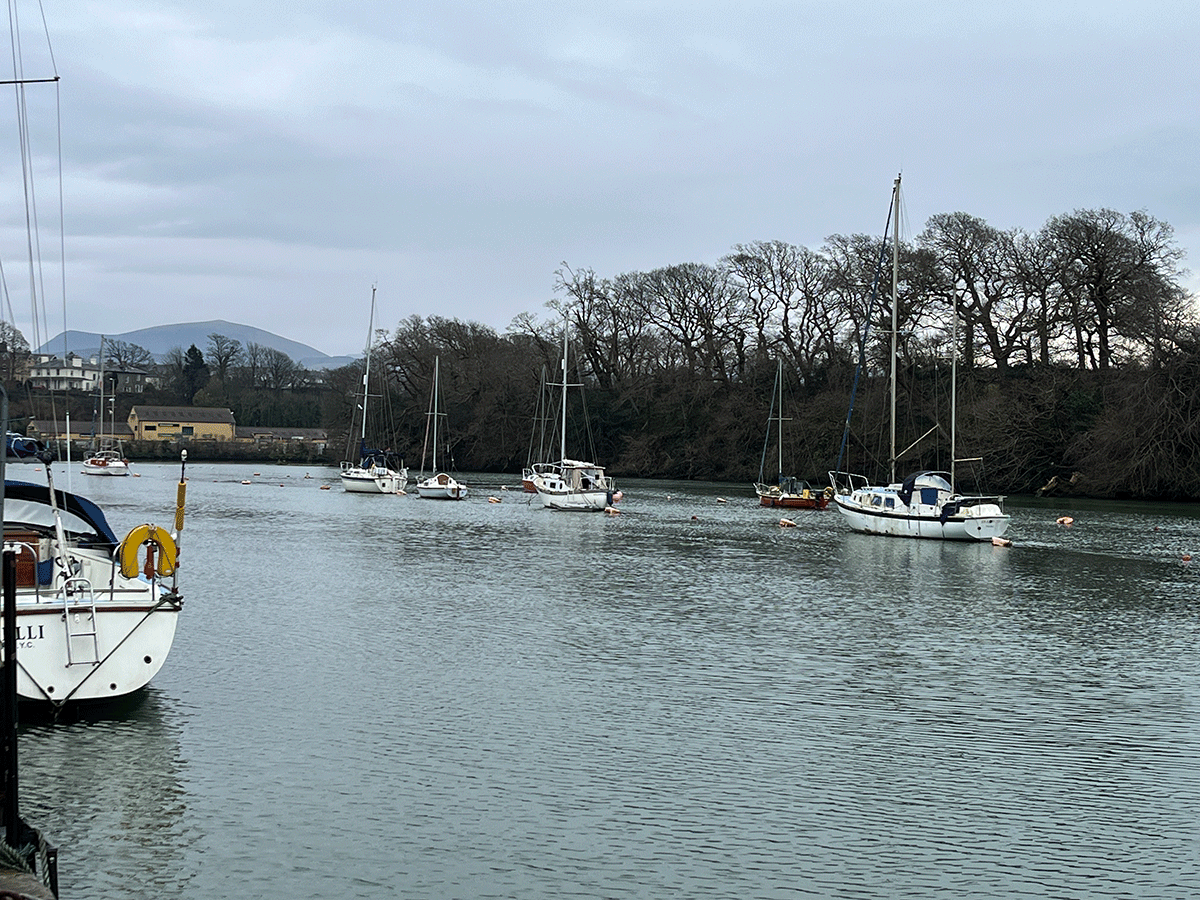
With wet and changeable weather affecting parts of the UK, boat owners are being urged to use periods of persistent rain to check for problems that may have gone unnoticed over the summer.
While closing hatches and checking covers might seem obvious when rain arrives, prolonged wet weather can expose less visible issues, from deteriorating seals and blocked drains to water appearing in the bilge.
Alison Melia, Private Clients Manager at Insure4Boats, explains what owners should look for during wet autumn weather and the warning signs that could point to a bigger problem.
1. Check the bilge before and after heavy rain
“One of the most useful things you can do before a prolonged spell of wet weather is to check the bilge and establish whether it is dry.






“If water then appears following persistent or heavy rain, this gives you an indication that something may have changed and allows you to investigate sooner rather than discovering the problem weeks later.
“You should also check that bilge pump intakes are clear and, where fitted, automatic operation is functioning correctly.”
2. Don’t assume a closed hatch is a watertight hatch
“Closing hatches, companionways and windows is important, but you should also inspect the seals around them.
“Seals can deteriorate over time, and leaks aren’t necessarily obvious during lighter summer showers. A prolonged period of autumn rain can expose weaknesses that haven’t previously been noticed.
“It’s also worth looking around deck fittings and other potential routes for water ingress rather than assuming that any water found inside must have come through a hatch.”
3. Clear cockpit drains before persistent rain arrives
“Cockpit drains can easily collect leaves and other debris, particularly as we move into autumn.
“You should make sure they’re clear so rainwater can escape properly rather than accumulating.
“This is particularly important for boats that aren’t being visited regularly, where a relatively minor blockage can be left unnoticed through several periods of rain.”
4. Use wet weather to look for problems with covers
“For boats stored ashore, covers need to do more than simply keep rain off.
“They should be properly fitted and secured, while allowing appropriate ventilation. You should check for areas where water can pool rather than drain away and inspect the cover and its attachment points for deterioration.
“After a period of heavy rain, it’s worth checking underneath rather than assuming that because a cover is in place everything beneath it has remained dry.”
5. Inspect mooring lines for autumn wear
“Wet and changeable weather is also a useful reminder to inspect mooring arrangements as we move out of summer.
“Rather than simply adding another line, look closely for chafe, fraying, stiffness or deterioration, particularly where lines pass through fairleads or around cleats.
“A line can appear sound at first glance while being considerably weaker at a point where it has repeatedly rubbed throughout the season.”
6. Look beyond your own boat
“You should also consider what’s happening immediately around your vessel.
“Loose equipment on neighbouring boats, poorly positioned fenders and debris in the water can all become potential sources of damage when conditions become wetter and windier.
“Fenders should be positioned where contact with the dock is most likely and checked to make sure they can’t easily ride up or move out of position.”
7. Don’t rely completely on shore power
“As conditions become more unsettled through autumn, it’s sensible to make sure your boat isn’t entirely dependent on shore power.
“Check the condition and security of electrical connections and make sure the battery has sufficient charge for essential systems, particularly where equipment such as automatic bilge pumps may be needed while the boat is unattended.
“Electrical equipment should also be protected from unnecessary exposure to water and secured appropriately.”