
The Marine Conservation Society has released its annual State of our Beaches report, using data collected by almost 15,000 volunteers who surveyed 141,656 metres of coastline in 2025. The charity has also launched a new interactive data dashboard covering its 31-year dataset.
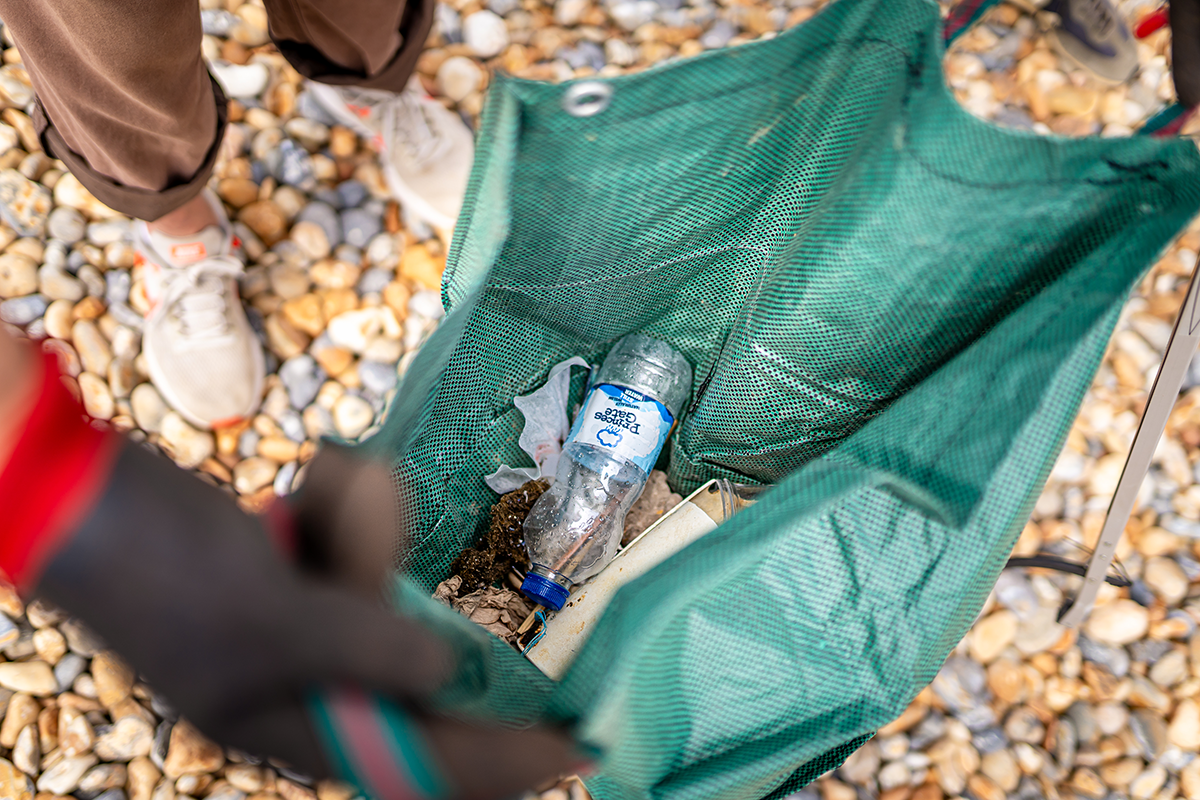
Nearly 50,000 (49,771) drinks-related litter items such as cans and bottles were collected from UK beaches last year. Across the UK, drinks-related litter was found on 95% of beaches surveyed.
Plastic bottles were among the top ten litter items recorded across the UK, present on 69% of beaches surveyed, while metal drinks cans were found on 59%. The charity’s inland Source to Sea Litter Quest surveys reported that metal drinks cans and plastic drinks bottles were the second and third most common litter items found, present on 91% and 92% of surveys, respectively*.





Recently named ‘Exchange for Change’, the Deposit Return Scheme for England, Scotland and Northern Ireland, is set to launch in October 2027. It will see consumers pay a small, refundable deposit on drinks containers, which is refunded when the empty bottle or can is taken to a designated collection point.
The Marine Conservation Society remains concerned that glass has been excluded from the ‘Exchange for Change’ scheme. Glass bottles were found on half of beaches across the UK in 2025 and pose a significant threat to both beach users and marine life through injury or entrapment.
Glass has been included in the Welsh Deposit Return Scheme regulations following the Welsh Government being granted an exclusion via the UK Internal Market Act. The charity now looks forward to the regulations progressing and is hopeful they will be passed before the end of March. The Marine Conservation Society urges each UK nation to introduce circular solutions that enable glass reuse to reduce reliance on single-use glass and tackle the problem of glass litter on our beaches.
Catherine Gemmell, Policy and Advocacy Manager at the Marine Conservation Society said: “We’re looking forward to Deposit Return Schemes starting across all four UK nations to tackle drinks-related litter and protect our seas from pollution. Well-designed schemes will cut waste at its source by keeping materials in use for longer and reduce the number of containers that end up along our coastlines. This is a vital step towards a circular economy where resources stay in circulation, waste is minimised, and the pressure on nature is eased.”
The charity’s beach clean surveys show encouraging progress with average litter levels dropping by 15% between 2024 and 2025, including an 18% fall in single‑use plastics. With several single‑use items banned throughout the UK up until 2023, the charity is hopeful these results reflect the positive impact of those measures.
Deposit Return Schemes have proven to cut litter in countries across Europe – with Irish Business Against Litter’s first coastal survey since the launch of the Deposit Return Scheme reporting a 30% decrease in plastic bottles and cans on Irish shores. This trend is echoed on a wider scale, with Reloop’s recent global analysis revealing that introducing or expanding Deposit Return Schemes cuts drinks litter by more than half on average, and by up to 89% in some cases.
By ensuring containers are returned clean and separately collected, a Deposit Return Scheme shifts collection and recycling costs from local authorities to producers and reduces the volume of bottles and cans ending up in the marine environment.
More information on how to get involved in a Marine Conservation Society beach clean, or organise your own, can be found on the charity’s website.