Alison Melia, Private Clients Manager at Insure4Boats, reveals four cold-weather boating dangers owners shouldn’t ignore this winter.
1. Don’t underestimate a slippery deck
“Cold weather can turn decks, steps and other surfaces slippery, particularly when waves or sudden movement are thrown into the mix. Wear footwear with good grip, keep walkways clear and avoid unnecessary movement around the vessel when conditions are poor. Everyone onboard should also have access to an appropriate, properly fitted lifejacket or personal flotation device. Falling overboard is dangerous at any time, but it becomes even more serious as the water gets colder.”
2. Remember the water could be much colder than the air
“One of the easiest boating dangers to underestimate is water temperature. The air might feel relatively mild while the water is cold enough to make falling overboard extremely dangerous. Sudden immersion can trigger cold-water shock, causing an involuntary gasp and rapid changes to your breathing. Even strong swimmers can quickly find themselves in difficulty. Dress for the conditions, wear an appropriate lifejacket or personal flotation device, and make sure everyone knows what to do if somebody goes overboard. It’s also worth thinking twice about boating alone as temperatures fall.”
3. Don’t let an early sunset catch you out
“A journey that was perfectly manageable during summer could leave you racing against sunset in autumn, especially if bad weather forces you to slow down. Check sunset times before leaving and give yourself a generous margin to get back. Make sure your navigation lights are working before you set off too. Don’t rely solely on your phone for light or navigation. Batteries can die, devices can get wet, and signal can be unreliable, so make sure you have suitable backups onboard.”




4. Know the warning signs that mean it’s time to turn back
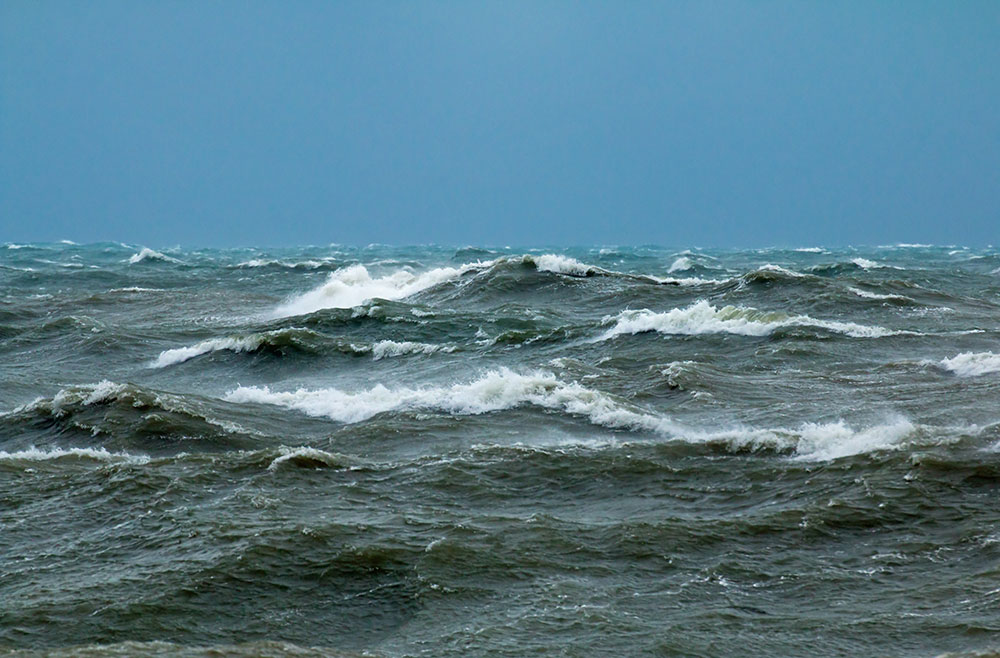
“You don’t need to wait until conditions become extreme before calling it a day. Rapidly worsening visibility, increasingly difficult winds or waves, and nearby thunder or lightning are all signs you should seriously consider turning back. Don’t forget about the people onboard either. Cold, wet, or tired crew members may struggle to move safely, concentrate, or react as quickly as normal. Ultimately, if conditions are starting to feel beyond what you can comfortably manage, that’s a warning sign in itself. Preparation becomes even more important as temperatures drop and daylight hours shorten. Look at the bigger picture: wind, visibility, water temperature, daylight, and the experience of everyone onboard. If you’re ever unsure whether it’s safe to continue, turning back is always better than taking an unnecessary risk.”