

From dry stack to boatyard – understanding the benefits of each.
As the days get shorter and the boating season begins to wind down, many owners will be thinking about where their boat should spend the winter. But winter storage is not a one-size-fits-all decision. The right option depends on the type and size of boat, how often you plan to use it and whether winter is a time for maintenance or simply a quieter period of boating.
For some owners, keeping their boat afloat makes the most sense, for others dry storage is the way forward. But how do you know what is right for you? And what is available?
WINTER BERTHING: FLEXIBLE ON THE WATER SOLUTION
A secure marina berth can offer a great deal of flexibility to boat owners. In a marina, boats of all sizes can remain ready to use, with power and water close at hand and easy access whenever the weather allows. It is particularly suited to owners who want to continue enjoying occasional winter cruising rather than putting their boat away until spring.




DRY STACKING: A DRY STORAGE SOLUTION WITH WATER ACCESS
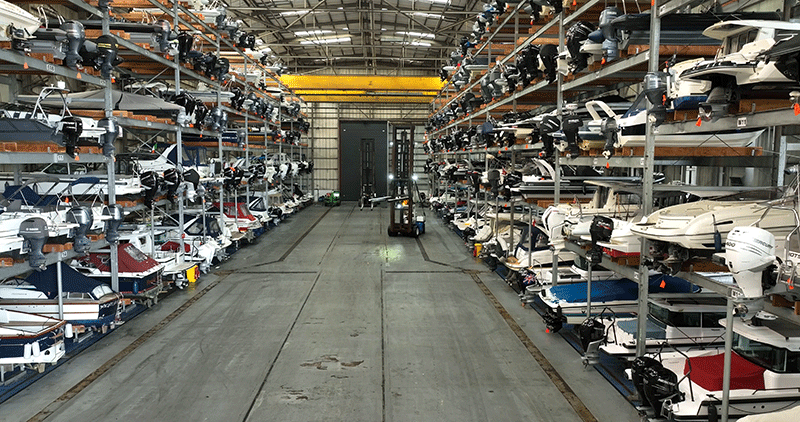
For smaller motorboats, RIBs and sport-fishing boats, dry stack storage provides another option. Rather than remaining in the water, the boat is stored ashore in a purpose-built facility and launched when it is needed. This can reduce exposure to salt water and, because the hull is washed after use by the storage facility, it can help reduce maintenance requirements.
Trafalgar Wharf in Portsmouth is Europe’s largest dry stacking facility. Between October and February, it stores up to 300 boats up to 14 metres – all vessels are stored indoors, protected from the elements and corrosive salt water.
Customers can request launches via the Premier App, which are typically within as little as an hour’s notice. The flexibility makes dry stacking a possible storage solution to those who want to combine the protection of ashore storage with the freedom to get out on the water when conditions are right.
BOATYARD STORAGE: A DRY STORAGE SOLUTION FOR THE WINTER MAINTENANCE LOVER
For owners planning more substantial winter maintenance, a boatyard lifting and storage solution can be the most practical choice. Lifting and storing ashore provides access to complete work such as antifouling, inspections, repairs and longer-term refit projects, without the constraints of carrying out work while afloat.
SHORT-TERM ASHORE STORAGE: A SOLUTION FOR ON AND OFF THE WATER NEEDS
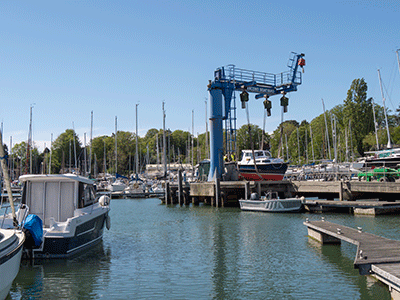 Otherwise known as ‘laying up’, this is a subtly different solution from committing to a whole winter in the boatyard. Winter is traditionally the peak period for storage ashore, and accessing storage alongside lifting and boatyard services can offer owners the flexibility to take the boat out of the water for a defined period of maintenance without committing to long-term ashore storage.
Ultimately, winter storage should work around the way you use your boat. If maintenance is the priority, ashore storage may be the natural choice. If protection and easy, flexible launches are important, dry stack could be the answer. And if you want a more self-sufficient way to keep boating throughout the colder months, staying afloat can offer the simplest solution.
YOUR CHOICE
Premier Marinas, which operates Trafalgar Wharf, offers a choice of winter solutions, from winter berthing and dry stacking to boatyard storage, lifting and lay-up, allowing owners to choose the approach that best suits their boat and plans. Its Winter Berthing package offers savings to those who book early, and is available from 1 October to 31 March, and also includes 28 days’ storage ashore, early booking lifting incentives and more, providing flexibility for owners who want to keep boating while allowing time for winter maintenance.
Whichever way you choose to spend the winter, planning early can help ensure your boat is stored in the environment that best suits you – and that you are ready to make the most of the next season.