




An exploration of shifts fuelling the sustained growth of water-oriented pursuits as the UK recreational boating season enters peak summer period.
Contributing £2.5bn to the UK economy each year[1], the water-based tourism and leisure market continues to successfully rebound towards pre-pandemic levels, with the UK demonstrating a clear shift towards aquaphilic living. From boat-rental tourism to water-based leisure activities – and even extending to living on the water – Brits are actively seeking out “blue space” in everyday life.
“The sustained growth of water-based leisure reflects the widespread prioritisation of slow, nature-oriented living, a shift towards workplace mobility, and increasing accessibility to waterways across the UK,” says Cheryl Brown Managing Director of inland waterway holiday operator, Le Boat.
“Le Boat’s recent booking figures reflect these wider trends, with a 33% increase in UK bookings in 2025-2026.”
Wellbeing benefits – the primary driver of the water-based boom
“Growth in the boating category in particular,” continues Cheryl, “is first and foremost a result of the growing awareness of – and subsequent demand for – the benefits of aquaphilic living.
“A water-oriented lifestyle allows curious individuals to experience multiple psychological benefits, including a stronger connection with nature, a slower pace of life, a sense of freedom, a genuine opportunity to disconnect digitally and mentally for quality downtime, and reduced stress.
“Dubbed the ‘blue mind’ – a meditative state of calm and peace activated by being on, in or near the water (a term coined by marine biologist Wallace J. Nichols) – many seek to adopt elements of this experience in their daily lives in an effort to boost wellbeing in a nostalgic search for respite from a busy ‘always-on’ world.
“After spending time on the UK’s sprawling network of inland waterways and enjoying leisure activities like kayaking or paddleboarding, Le Boat holidaymakers consistently return to their normal lives with a newfound love of the water and an intentional goal to prioritise their wellness.
“The 19% of Le Boat customers returning for a second, third or fourth boating trip is clear evidence of the draw and of the increasing recognition of the benefits of water-based pursuits, even if it’s just to enjoy a week’s breather from the pressures of the busy day-to-day.
“And whilst the number of both rental boaters and liveaboard residents in the UK grows, those simply seeking a change in pace also continue to choose to relocate to inland waterway or coastal regions or invest in a boat or water-based apparatus of their own to enhance their leisure time.”
Boating offers an accessible and cost-effective way to enjoy the aquaphilic lifestyle and the benefits of the ‘blue mind’ through a complete immersion into water-based living, thanks to:
- Calibration with nature
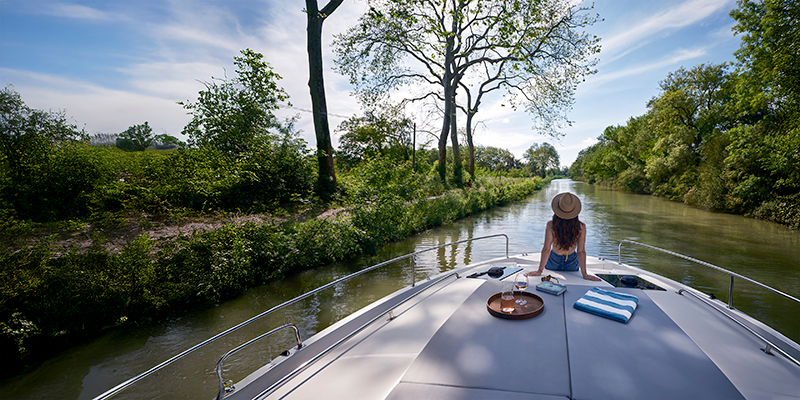
With no onward travel permitted after sunset, boaters find themselves immersed in the natural rhythm of nature – living by the sunlight hours and truly resting when darkness comes, much like the waterway wildlife around them.
- Slow exploration
With a speed limit of 8mph, travelling by boat induces a naturally slow pace of living, encouraging an appreciation of quality exploration over the quantity of places visited.
- Intimate co-habitation
Whilst meandering along the UK’s canals and rivers, co-habitation on a boat promises a unique shared experience that fosters true connection. Living alongside your crew invites strong bonds and the accompanying ‘happy hormones’ induced by intimate social interaction.
- Interaction with the community
Known as a friendly and welcoming community, the population of waterway inhabitants, lock keepers, leisure boaters and local folk are always eager to interact and share stories.
Increased accessibility and wider seasonality
Increased accessibility is another key factor in the growing number of Brits flocking to the water: “More boat hire or peer-to-peer platforms, more boats, more modern, ‘plug-and-play’ vessels that are easy to operate and are fully equipped for maximum comfort, a huge rise in SUP and kayak offerings… Thanks to increased investment in the industry, it’s never been easier to prioritise water and nature-based leisure time.
“Seasonality is also shifting in water-based leisure time. Once considered only a summer pursuit, people now take to the water outside of peak seasons to benefit from off-peak prices, avoid crowds, and enjoy a more mindful and authentic experience. Brits are becoming much more resilient when it comes to prioritising their wellbeing and are learning that weather is not the be all and end all to feeling good!”
The quest for mobility and freedom
Alongside the psychological benefits of proximity to ‘blue space’, Cheryl acknowledges the appeal of a lifestyle with reduced physical or financial strings.
“Whilst conventional aspects of modern life like employment and property ownership have historically inhibited people’s ability to ‘take the plunge’ into a more mobile lifestyle, economic pressures, including the continued cost of living crisis and the post-pandemic behavioural shift towards remote working, have made the aquaphile lifestyle more attractive and more accessible to the general population.
“With a strong demand for location-independent jobs, 45% of UK workers have said they would consider a career change to become a digital nomad[2]. Offering a blend of full-time remote working, complete freedom to travel, and living in a state of flexibility, the nomadic lifestyle lends itself perfectly to life on the water.”
Boating rentals as a growing segment in water-based tourism
“With consumers opting for day rental and holiday experiences over ownership thanks to a growing avoidance of large leisure purchases amidst the ongoing cost of living crisis, the demand witnessed by the boat rental market specifically – at 8.7% CAGR (Compound Annual Growth Rate) as of May 2026[3] – has accelerated in line with wider water-based leisure industry growth in recent years.
“Le Boat figures reflect these wider trends, with a 33% increase in UK bookings in 2025-2026.
“It’s no surprise that consumers are favouring recreational trips over purchasing a vessel themselves given the push factors of fuel price volatility and rising operational and insurance costs for boat owners.
“Economic uncertainty has similarly impacted the wider travel industry, triggering broader behavioural shifts towards asset-light leisure activities. It goes without saying, consumers are clearly swaying towards lower-commitment options over personal investment.” says Cheryl.
A perfect storm for water-based wellness in the UK
Cheryl concludes: “Sustained investment in and the prioritisation of the regeneration of Britain’s vast waterway network will reap great rewards for the UK economy through tourism and leisure growth.
“Firstly, the growth in wellness-oriented living and travel shows no sign of slowing – in 2025, the UK wellness tourism market generated £14.6billion ($19.6billion), and with a CAGR of 5.7%, figures of £25.6billion ($34.4billion) are projected for 2035.[4]
“Unsurprisingly, water-based tourism hotspots like Scotland’s Caledonian Canal have already been identified as key players in the UK’s offering of wellness-focused retreats, with 59% of visitors to Scotland crediting the destination with enhancing their emotional wellbeing.[5]
“And of course, against a backdrop of growing concerns surrounding geopolitical volatility, subsequent dynamic flight pricing and the ever-present threat of fuel shortage-led cancellations, the ease and peace of mind offered by a staycation only strengthens this opportunity for growth.
“By taking advantage of the opportunity to boost domestic tourism, Britain can benefit on both a national and local level whilst also offering improved quality of life for millions through the regeneration of rural and urban waterway areas[6].”