It was the sixth busiest year on record for the charity with more than 9,000 launches equating to 25 lifeboats launching to the rescue every day of the year.
The RNLI data shows the high demand on lifeboat crews across the charity’s 238 lifeboat stations in the UK, Ireland and the Channel Islands. Types of rescues include 713 launches to sailing vessels, 951 to motorboats, 946 to people in the water and 319 to walkers and runners.
The RNLI doesn’t only help people, with lifeboats launched 179 times to animals compared with 163 times in 2024. Lifeboats launch to animals to prevent pet owners putting themselves at risk by going in after them. While the majority of the animals rescued were beloved pet dogs, other animals that RNLI lifeboat crews went to the aid of last year included three sheep, one whale and a horse.







Those rescued by the RNLI include mother of four Mandy Galloway who was paddleboarding off the coast of Kingsbarns in Scotland and got into difficulty before being rescued more than a mile out to sea by Anstruther RNLI. Mandy had been paddleboarding with her partner before being caught up in 30mph offshore winds and drifting more than two miles away from her original location.
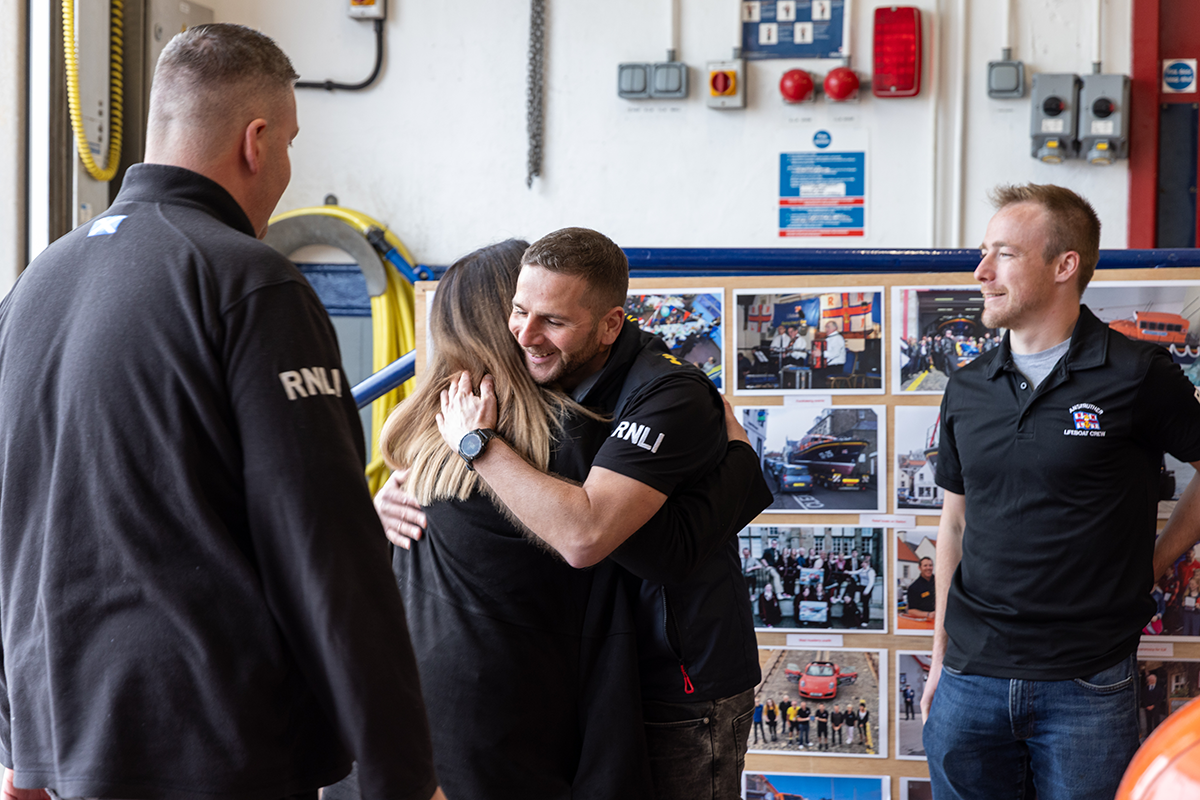
Mandy said: “I remember my teeth chattering so much I thought they would break – I have never been that cold before. There was no panic – I just thought, you are going to die here. I didn’t even hear the lifeboat, seeing the crew just felt like a dream. I couldn’t believe there were people there. I had just accepted I wasn’t going to be saved. I’m so grateful for the actions of the RNLI that day and to have been able to be reunited with the crew to say thank you in person is a something I’ll never forget.”
Mandy’s partner had managed to get back to the beach to call for help and fortunately after being treated in hospital for hypothermia and exhaustion Mandy made a full recovery.
Chris Haffenden was cut off by the tide at Birling Gap near Newhaven earlier this year.
“I was stranded on a small section of beach – it was mad how quickly the sea came in and I was definitely panicking. But I felt a lot of relief when the lifeboat came into view.”
Chris was cold from being intermittently submerged but required no further medical attention after his rescue, though the events of that day made a great impression on him.
“Not everyone realises the RNLI crew are volunteers who step away from their families and work to do this, but those heroes saved me, and it’s very humbling.”
Kate Eardley head of global drowning prevention at the RNLI said: “The sheer number of lifeboat launches last year highlight just how quickly a day at the coast can change — and why our safety advice and volunteer crews are so vital. We’re incredibly proud that our crews are ready to launch at a moment’s notice but these figures also underline the ongoing need for public support. Taking part in the Mayday Mile helps ensure our lifeboat crews can continue to reach people when it matters most.”
Whether you choose to walk, jog, hop or skip, a mile every day in May will help raise vital funds for RNLI lifesavers, so that they can continue to keep people safe at sea. To sign up for the Mayday Mile, or to make a donation in support of the RNLI’s lifesavers, visit RNLI.org/supportMayday