
Former Wrens who served in the decades after the Second World War are sharing their memories of life in the Women’s Royal Naval Service, as the Royal Naval Benevolent Trust highlights the changing experience of women in the Naval Service and the support available to them today.
On 1 November 1993, the Women’s Royal Naval Service (Wrens) formally merged with the Royal Navy, bringing to an end more than 75 years of separate service for women and marking a significant moment in the history of women in the Naval Service.
To mark the 33rd anniversary of the merger, The RNBT has brought together the voices and memories of women who experienced that history first-hand – from Wrens who served when women could not go to sea, to women who became part of the first generations to serve at sea alongside men. Among those sharing their memories is Mary ‘Rita’ Lock, who joined the Wrens in 1955 aged 17. Rita served as a sick berth attendant before leaving the Service to marry. She remembers the strong sense of community among the women who served alongside her.
“The comradeship was fantastic,” she recalls. “I’ve enjoyed every minute of it. I’m 92 now, and I’d do it all again.”




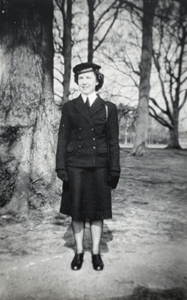
Former Wren Daphne Thompson, aged 96, also remembers joining at a time when women’s opportunities in the Naval Service were very different. She joined the Wrens in 1949, inspired by her father’s stories of naval life and her brother and sister’s service during the Second World War. As a communicator and radio operator, she worked in an airfield control tower, carried out direction finding and worked in cryptography. Her memories also capture the camaraderie and fun that existed alongside the serious nature of her work, including one occasion when she and her fellow Wrens decided to walk across an airfield in Scotland in search of a ruined church they believed was haunted.
“We thought we’d go looking for ghosts,” she recalls. “And when we saw white figures jumping about we thought ‘Oh my goodness.’ And then we found out it was the petty officers.”
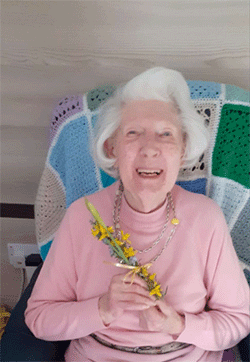
For 100-year-old Dorothy Walsh, joining the Wrens just before her 18th birthday opened the door to a world far removed from her previous job at Boots pharmacy. She served in code breaking and is included in Bletchley Park’s Roll of Honour.
Dorothy says: “My old school friend was doing secretarial work and I think she got a bit bored. She was the one who suggested we join the Wrens. So we volunteered. It sounded exciting, code breaking with Alan Turing. We won the war with a bit of help from Alan, of course.”
These first-hand memories offer a glimpse into a very different era of naval service, when women had separate terms of service, wore a different uniform and could not serve at sea.
Current Community Engagement Officer for The RNBT, Corinne Day joined the Wrens in 1987 and was serving when the service merged with the Royal Navy in 1993. She remembers that, for many women, the change was about more than a new uniform or terms of service.
“It wasn’t a case of, ‘ it shouldn’t happen’. But it did mean losing a bit of our identity that had been an important part of our lives,” she says.
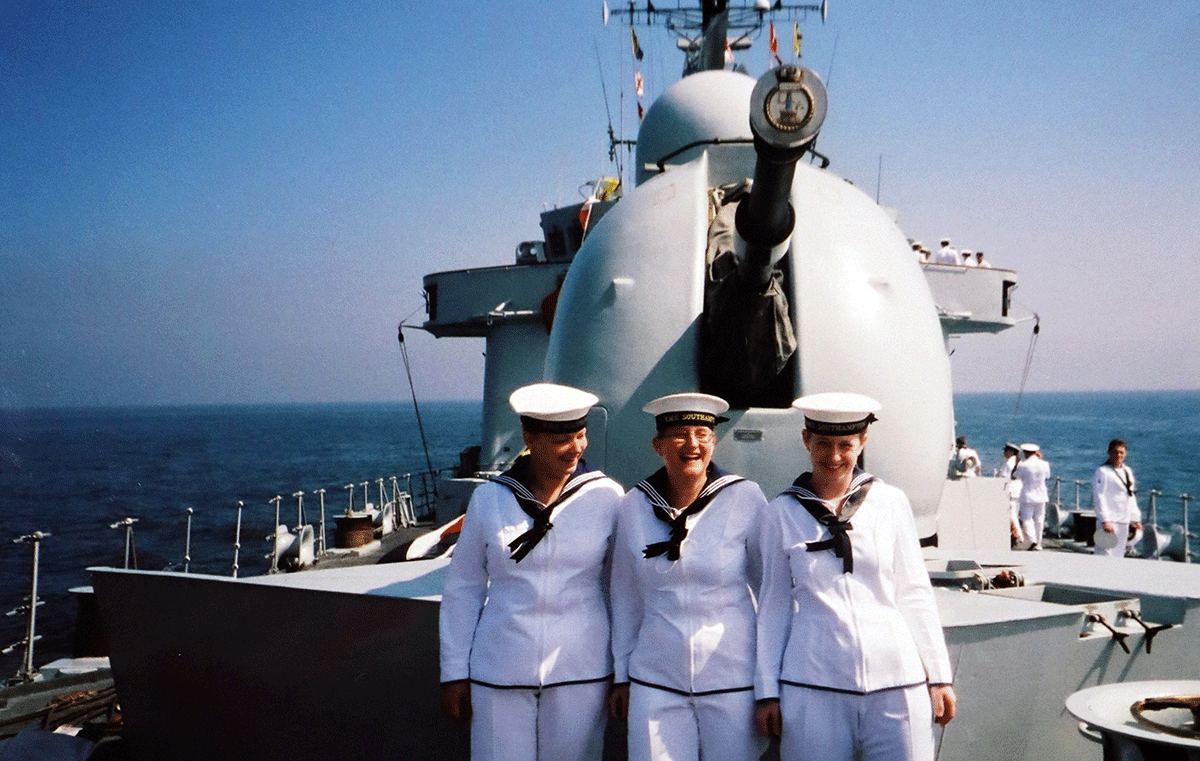
The merger also marked the beginning of a new era in which women increasingly took on roles at sea. Navy veteran Sally Fountain, who is now Head of Housekeeping at The RNBT’s Admiral Jellicoe House for veterans, joined in 1998 and was among the early generations of women to serve at sea after the Wrens began opening up seagoing roles. She recalls that, although many male sailors were accepting, having women on board was still a new experience.
“There were still lots of men who had not been to sea with women before. For them it was a completely new world. Some of them liked it, some of them not so much.”
For The RNBT Chief Executive Debbie Dollner, the stories of these women demonstrate both the extraordinary changes that have taken place and why supporting Naval women remains important throughout their lives:
“When you hear these women talk about their experiences, you get a real sense of how far the Royal Navy has come. The women who served as Wrens were part of an extraordinary community, often working in roles that were hugely important but at a time when their opportunities were very different from those available today.
“Women serving today have far more opportunities, but service life can still bring particular challenges around family, relationships, separation and transitioning to civilian life. At The RNBT, we want women to know that support is available whether they are currently serving, leaving the Service, raising a family or have been veterans for many years. Our support is there for the whole journey.”
Today, The RNBT offers wide-ranging grants and wellbeing support, including financial assistance, training and employment opportunities, wellbeing guidance and signposting.
The RNBT is keen to ensure that women who have served recognise that support remains available to them and their families. To find out more, visit https://The RNBT.org.uk/.