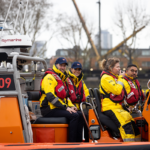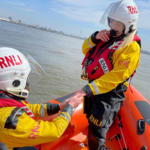
As British Science Week (6–15 March) continues, Sea Cadets is calling for more volunteers across the UK to help young people discover the power of science, technology, engineering and maths (STEM) through real‑world maritime adventure.
From sailing, powerboating and kayaking to navigation, engineering and digital skills, more than 14,000 young people aged 10–18 take part in Sea Cadets activities every week, gaining hands‑on experience that builds their confidence, curiosity and futures in STEM.
The CREST Awards, run by the British Science Association, are a flagship programme inspiring young people to think and act like scientists and engineers. Within Sea Cadets, each STEM proficiency activity contributes toward the eight modules required for a CREST SuperStar Award. In 2025 alone, 836 CREST Award certificates were issued to cadets across the UK – a testament to the enthusiasm and dedication of our Junior Sea Cadet Instructors, who deliver engaging STEM activity guided by session outline on our Programmes Online platform.






Yet participation in STEM beyond the classroom remains limited. While many schools now reference STEM careers, far fewer pupils are able to access STEM clubs, projects or work‑experience placements that show how these subjects apply in real life.* Sea Cadets helps to bridge that gap by turning STEM into something young people can see, touch and do – from plotting a course at sea to maintaining equipment or understanding wind, waves and weather.
Looking ahead, Sea Cadets is developing new opportunities for cadets to explore emerging maritime technologies, including crewless drones and unmanned boats, as well as challenges linked to digital defence and engineering. These experiences support the UK’s ambitions on net‑zero, innovation and long‑term sustainable growth by sparking interest in the skills the future workforce will need most.
Heather Williams, Sea Cadets Director of Learning said: “STEM is so much more than four subjects – it’s a mindset, it’s about solving real problems in the real world, using critical thinking skills, and being curious. At Sea Cadets, young people experience science and engineering every time they step on the water, work as a team or learn to skills. With the help of more volunteers, we can open up these life‑changing opportunities to thousands more young people across the UK.”
Local units are particularly keen to hear from adults who can support their growing Junior Sections (ages 9–12). Volunteers do not need a naval or STEM background – just enthusiasm, reliability and a willingness to learn. Full induction, training and ongoing national support are provided.
Sea Cadets’ volunteers come from all walks of life: parents, STEM professionals, students, veterans and community leaders. Many say volunteering helps them develop their own skills and supports their wellbeing, while making a visible difference to young people’s confidence, resilience and aspirations.
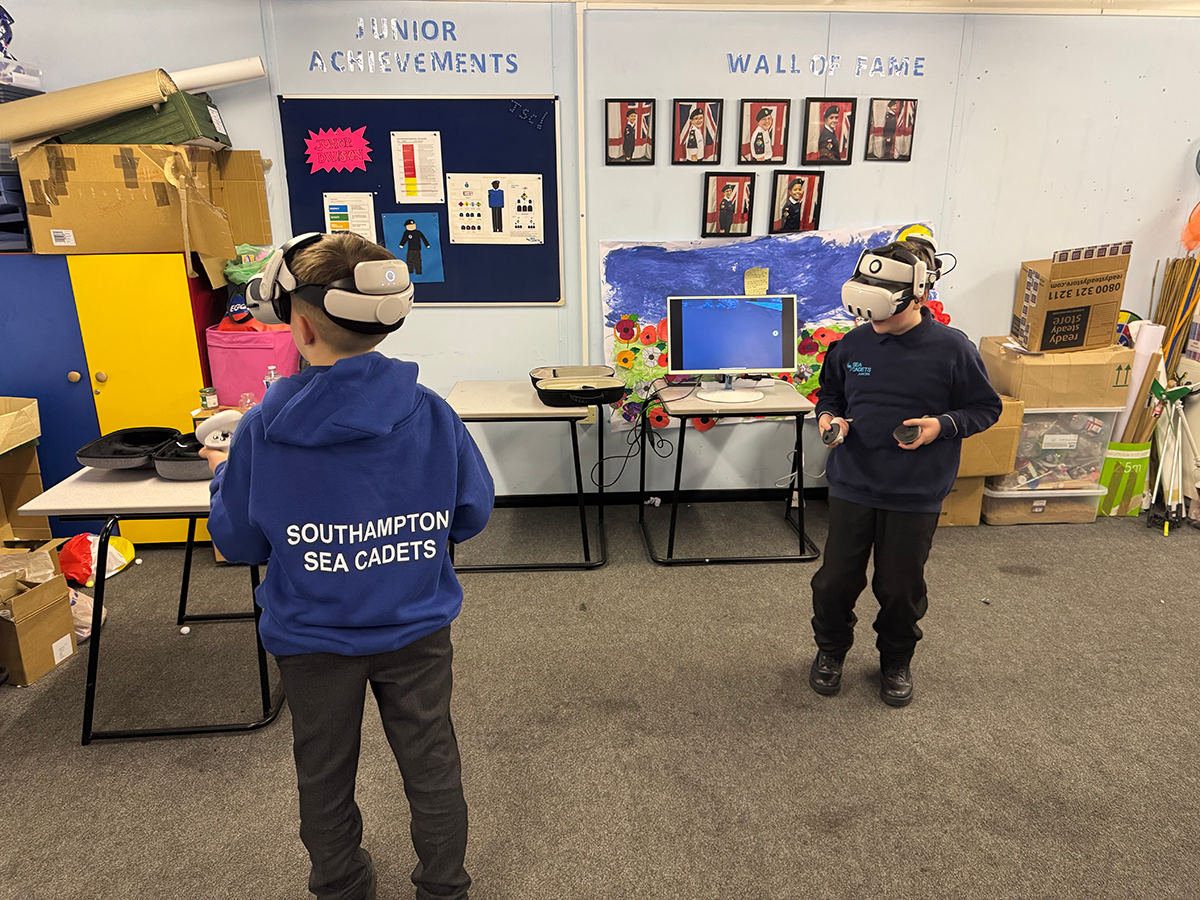
Juniors at Southampton Unit also took part in special British Science Week activities on Monday 9 March, showing impressive curiosity and enthusiasm as they moved through four challenges. They experimented with balancing boats, testing how small design changes affected stability; tackled the carrying cargo challenge to understand weight distribution; explored maritime engineering through an immersive VR STEM experience; and created their own oceans in a bottle to observe currents and layers in action. The session gave younger cadets a fun and engaging introduction to science and engineering, while demonstrating how STEM skills connect directly to the maritime world that inspires Sea Cadets across the UK.
For British Science Week 2026, Sea Cadets units nationwide will continue to run activities that highlight the science behind sailing and seafaring and showcasing how time on the water today can lead to STEM careers tomorrow.