

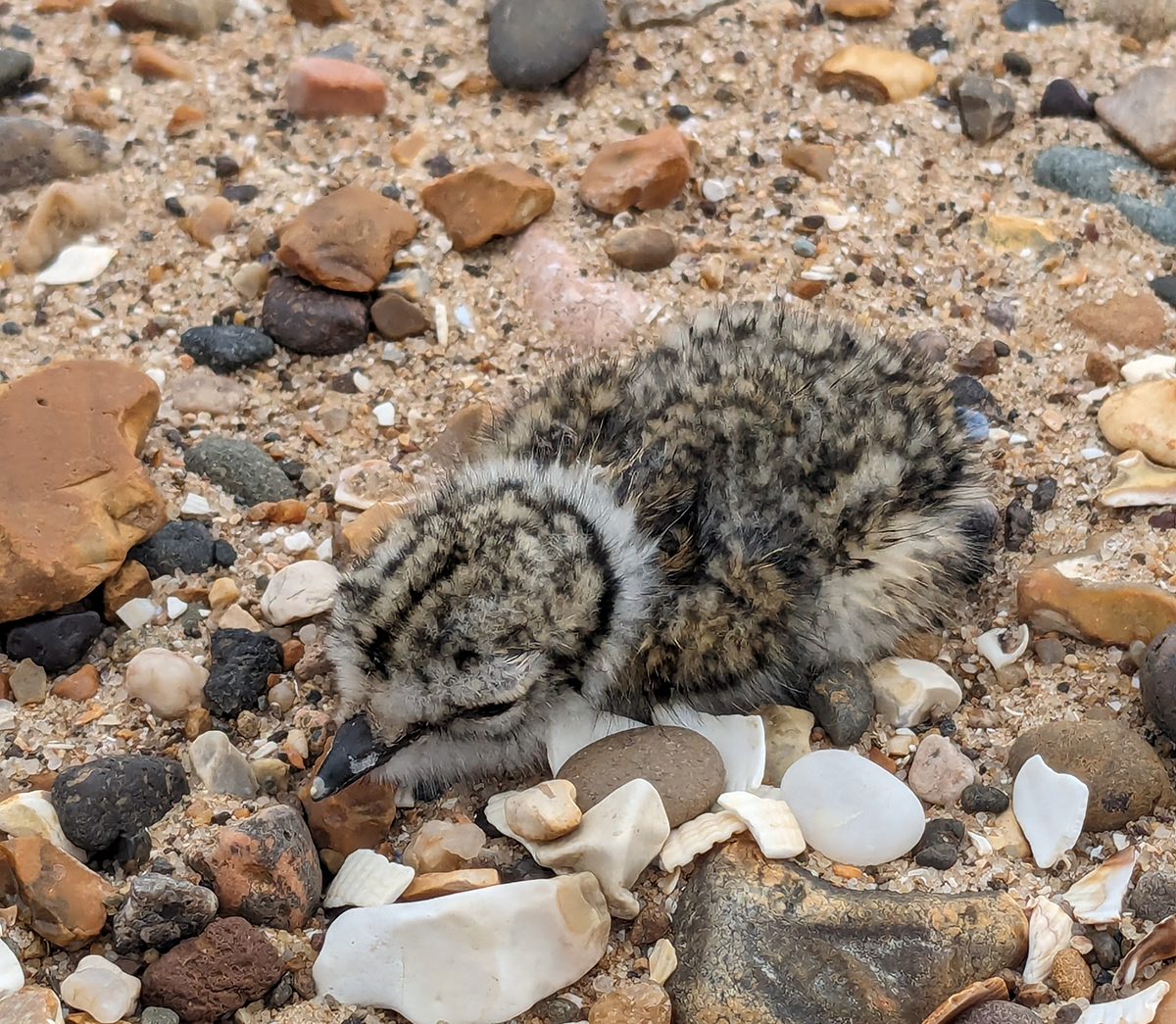
The RSPB is encouraging everyone to help protect vulnerable birds across the UK as the nesting season begins.
With spring now on our doorstep and summer just around the corner, there’s plenty of opportunity for people to get outside with family and friends to enjoy the countryside. Connection to nature is vital for both physical and mental wellbeing and exploring the countryside can bring people closer to nature. But birds that nest on the ground between March and September are at risk of disturbance; following the charity’s simple advice can help give birds more space this spring and summer.
Over half the UK’s most threatened breeding birds nest on or near to the ground, including Curlew, Skylark, Little Tern, Oystercatcher, Nightjar and Lapwing. Many of these ground-nesting species are on the Red List, meaning their numbers are in rapid decline due to factors such as habitat loss, lack of food, and the impacts of climate change.








These birds nest across a range of different landscapes in the UK such as beaches, woods, moors, grassland and scrub. Even some of our more common garden birds also build their nests low down. Robins, Wrens and Dunnocks all favour raising their chicks close to the ground in hedges, ivy and other shrubs.
You can help ground-nesting birds by following this guidance:
Keep to marked paths
- By keeping to designated pathways, this helps protect birds and their eggs and chicks that are nesting on the ground.
Keep dogs under close control
- Please keep dogs under close control between March and August, whilst parent birds are sitting on eggs and chicks are on the ground. Chicks are especially more mobile from July onwards putting them in further danger.
Give birds plenty of space
- If you do see birds on a nest or chicks running about, keep a minimum distance of 100m away to help to protect them.
Dr Conor Pharaoh-John, RSPB’s Recreational Disturbance Programme Manager, explains: “The closer the bird’s nest is to the ground the more at risk it is to accidental disturbance mainly from people, who will likely be unaware the nest is there, and dogs freely roaming off lead.
“Exploring the countryside with our dogs is a great activity to get us out of the house and connecting to our local greenspaces. However, whilst we mean no harm to wildlife, people and dogs appear as potential predators to a bird, especially those nesting on the ground.”
Away from dry land, paddlers and swimmers can also help protect vulnerable species. Dr Conor Pharaoh-John continues: “Being on the water offers a fantastic chance to experience wildlife from a unique perspective. Our waterways are lifelines for many species, so it’s important to think about how our presence might affect them. By keeping a steady, predictable course, and limiting viewing to just a few minutes, swimmers and paddlers can help ensure birds and wildlife aren’t disturbed or disrupted from feeding, breeding or caring for their young.”
Adult birds will leave their nest if they feel threatened, until the perceived danger has gone. Even in this brief time of parents being away from the nest, eggs can quickly cool down and chicks will be unprotected. This temporary abandonment, especially if it happens repeatedly with increased visitors to the countryside throughout spring and summer, could prevent eggs from hatching due to their low temperature. Small chicks may also die due to the cold, starvation, or predator seizing the opportunity to take them.
Birds nesting on the ground are at higher risk from predators. The nests and eggs they contain are often extremely well camouflaged, making them very hard to see and avoid. By following the RSPB’s top tips, we can all play our part in keeping our ground-nesting birds safe this year so that they can successfully raise and fledge the next generation of offspring – every chick really does count.
Mike Shurmer, Head of Species and Habitats for RSPB England, said: “A Skylark egg can be as small as the width of a 5p piece. And when those eggs hatch, chicks will stay camouflaged in their nest until they’re ready to fledge. However, the chicks of other ground-nesting species like Oystercatcher, Curlew and Ringed Plover are very independent on hatching and will quickly start running around outside the nest. Their markings still make them highly camouflaged, but they’re much more likely to be closer to people and dogs than expected.”
Due to their camouflage, it can be very difficult to see a parent bird and its nest. However, you can watch out for adult bird behaviours that suggest eggs and chicks are nearby:
- Parent birds in distress: Alarm calling and potentially swooping low-down/dive-bombing or flying quickly back and forth across your path.
- Birds with nesting material or food in their beaks: They may dive into a particular patch of scrub, grass or a shrub and not come out, suggesting they are visiting their nest.
- Deception: Birds such as Lapwings and Ringed Plovers may pretend to limp or have a broken wing, dragging it on the ground if they sense danger is near. This is an attempt to distract the perceived threat and draw them away from their eggs and chicks.
We can all play our part in keeping our ground nesting birds safe this year so that they can successfully raise and fledge the next generation of offspring, every chick really does count. Find out more at: Protecting Ground Nesting Birds: What You Can Do to Help