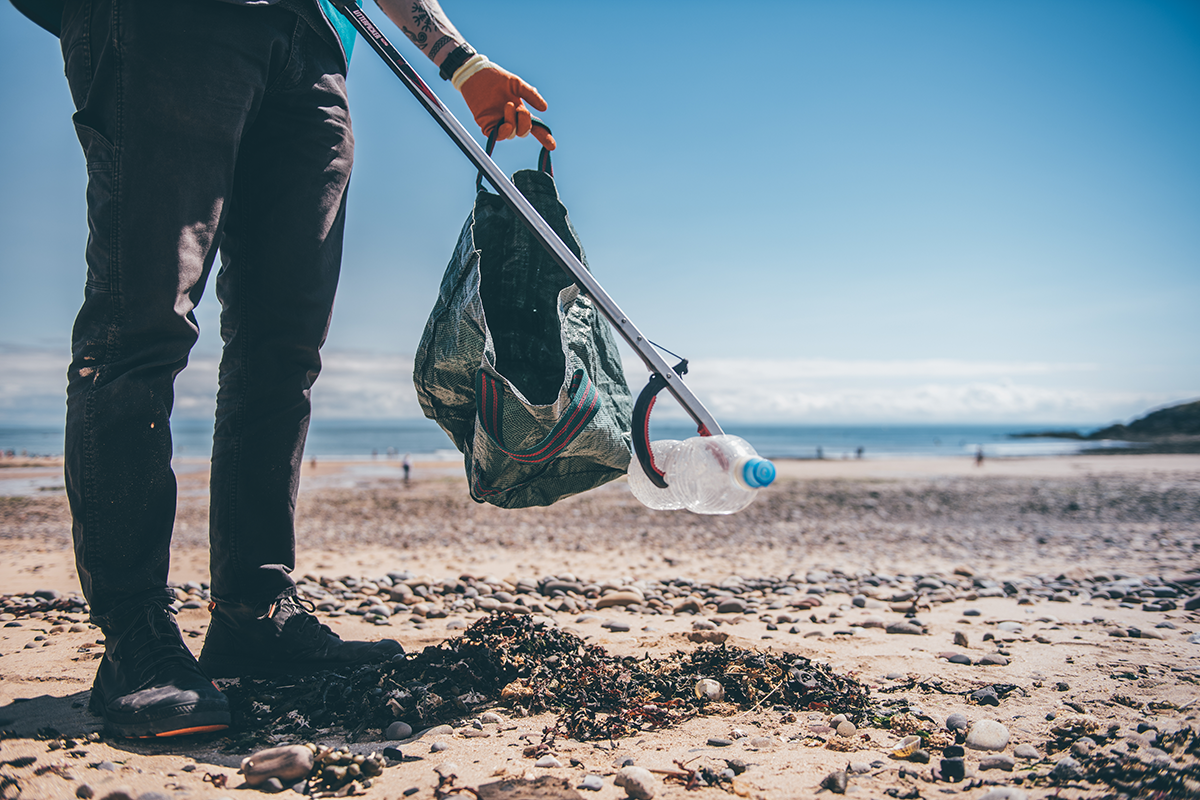
From takeaway containers to tiny plastic fragments, marine litter remains a daily reality on UK’s shores – despite signs of progress.
Ahead of Global Recycling Day, 18 March, the Marine Conservation Society is releasing recent findings from its annual State of our Beaches 2025 report, alongside a new interactive data dashboard.
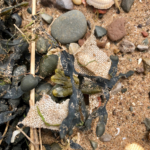
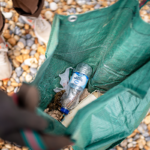
According to the charity’s report, last year nearly 15,000 volunteers recorded an extraordinary 603,963 pieces of litter across UK beaches in 2025. This weighed a total of nearly 12,000kg – the equivalent to the weight of 20 adult bottlenose dolphins, or one fully grown orca.






On average, volunteers found 141 pieces of litter for every 100 metres of coastline surveyed.
Data collected by volunteers over more than three decades allows the Marine Conservation Society to track which litter items appear most often, identify their sources and use this evidence to push for policies that protect our ocean from pollution.
Plastic pollution remains persistent across the UK, present on 99.5% of UK beaches surveyed and making up a whopping 87% of all litter items recorded.
The three most commonly found items were the same in England, Wales and Northern Ireland:
- Small plastic fragments, found on 86% of beaches
- Single-use plastic wrappers, such as crisp, sweet and sandwich packaging, recorded on 80% of beaches
- Plastic caps and lids, present on 83% of beaches
Lizzie Price, Beachwatch Manager at the Marine Conservation Society, said, “The persistent and widespread presence of plastic shows what a problem this is around our coastline. The evidence collected by our volunteers is vital as it helps us understand the true scale of pollution and strengthens the case for smarter, more effective policies to protect our seas. Every volunteer who records what they find plays a crucial role in driving that change, helping to achieve a cleaner, safer future for our ocean.”
For many marine species, plastic isn’t just pollution – it’s a serious threat to life. Sea turtles, seabirds and fish commonly ingest plastic thinking it’s food. Once swallowed, it can obstruct their digestive systems, leaving them unable to eat and ultimately leading to starvation. Larger items, such as ropes and discarded fishing gear, can entangle animals, causing injury, exhaustion and, in many cases, death.
Unlike natural materials, plastic doesn’t biodegrade – it simply breaks into even smaller pieces that persist indefinitely in the environment. These tiny particles, known as microplastics, represent an often invisible but widespread threat to the entire marine ecosystem. Microplastics now contaminate every corner of the ocean and are quickly making their way into the food chain, carrying harmful chemicals that can put marine life at risk.
The charity’s report does, however, reveal signs of progress, with average litter levels across the UK dropping by 15% between 2024 and 2025, while single‑use plastics presence fell by 18%. This is strong evidence that effective policies, such as the ban on single‑use plastic cutlery, are making a measurable difference.
While these shifts prove that change is possible when action is taken, the charity’s data still underscores an urgent need for action to tackle marine litter on our shores – with a UK average of 141 pieces of litter per 100 metres of beach surveyed.
Cutting down on single-use plastics, reusing, recycling and disposing of litter correctly, are simple steps that add up to real change when adopted widely.
For over a decade, players of People’s Postcode Lottery have helped fund the Marine Conservation Society’s beach cleaning programme.
Laura Chow, Head of Charities at the People’s Postcode Lottery, said: “Beach cleans do much more than remove waste – they generate vital data that reveals the true scale and sources of marine pollution. Each and every survey completed by Marine Conservation Society volunteers feeds into long term evidence that helps identify where waste is coming from and how we can tackle it at its source. It’s inspiring to see funding from players of People’s Postcode Lottery driving this vital effort. Every item recorded is another insight that brings us one step closer to plastic-free seas.”
The charity gathers beach clean data year-round, with a third of its data being collected during their flagship Great British Beach Clean event, which will take place from Friday 18 to Sunday 27 September 2026.
More information on how to get involved in a Marine Conservation Society beach clean, or organise your own, can be found on the charity’s website.