The Marine Conservation Society has launched its annual State of our Beaches 2025 report, using data gathered from beach clean volunteers across the UK, alongside a new interactive data dashboard.
Last year in Scotland alone, 3,763 volunteers collected and recorded litter along 39,900 metres of coastline, picking up 385,551 pieces of litter. This weighed a total of 5,825kg – the equivalent to the weight of approximately 40 harbour seals.
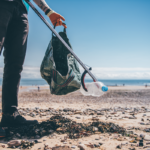
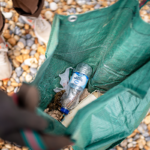
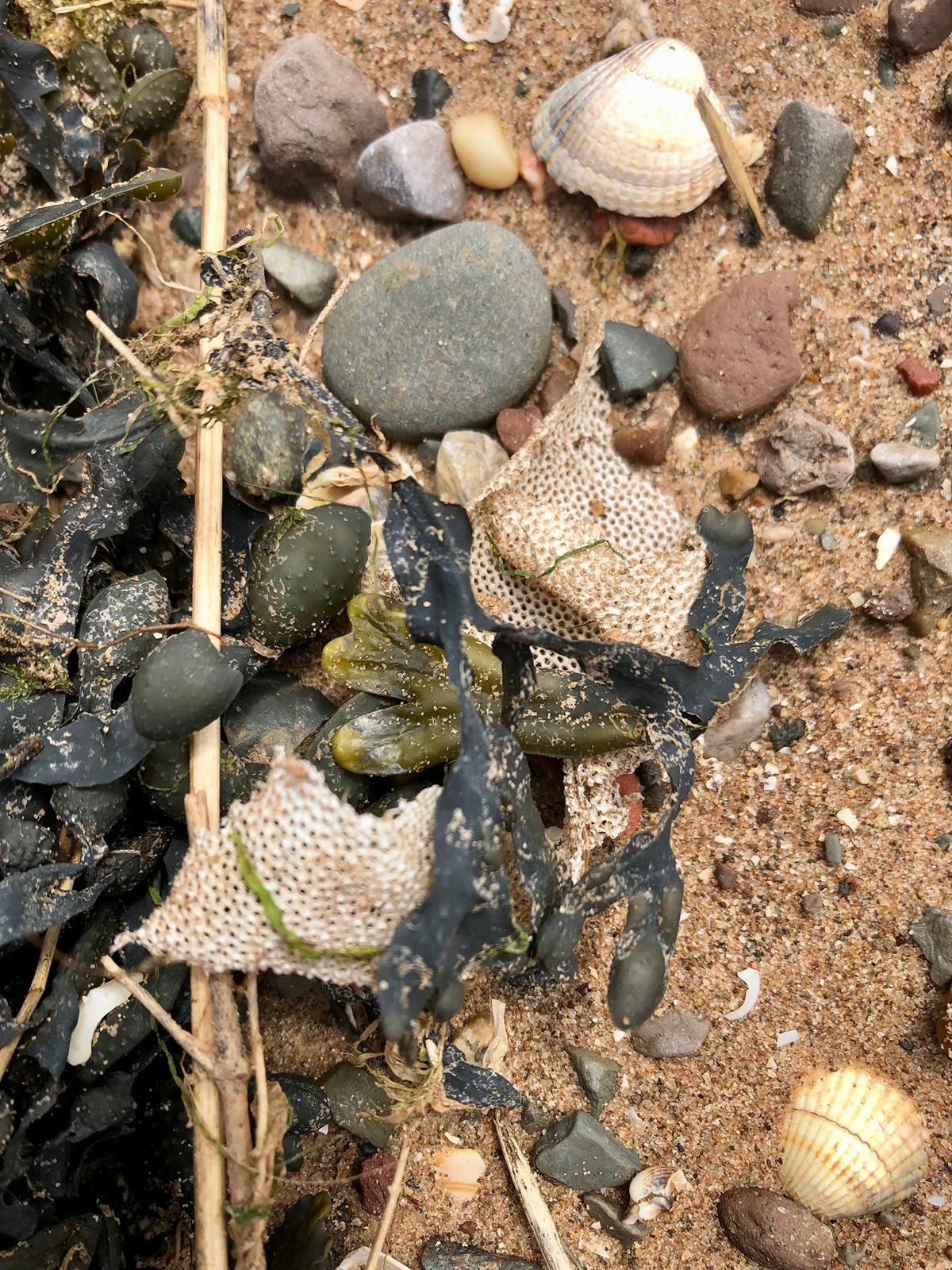
Through the charity’s beach cleaning programme, volunteers survey a 100-metre stretch of beach, recording every item of litter they find. In 2025, volunteers found a staggering average of 157 litter items per 100 metres of beach across Scotland. This citizen science data gives scientists, industry and governments the information they need to protect our ocean from litter pollution.






The Marine Conservation Society’s latest report finds that over 23,600 pieces of sewage-related litter, such as wet wipes, tampons and cotton bud sticks were collected and recorded on Scotland’s coastline. Last month, the Scottish Government introduced legislation to ban the sale of single-use wet wipes containing plastic, following the rest of the UK. While this measure is intended to reduce marine plastic pollution, it does not address the fact that sewage-related litter should not be entering the marine environment in the first place.
The majority of sewage-related litter was found in the central belt, with Falkirk recording the highest number of sewage‑related items per 100 metres (120), followed by Inverclyde (112), West Lothian (102) and Edinburgh (100). Wet wipes formed the largest part of these items.
This kind of litter ends up on our beaches when it’s mistakenly flushed down the toilet. When heavy rainfall or a lack of capacity overwhelms the sewage network, items that shouldn’t be flushed can escape into the environment via storm overflows (also called Combined Sewer Overflows, or CSOs). These storm overflows were originally designed for rare, extreme weather events, but are now being used far more often, even routinely, allowing untreated wastewater containing sewage-related litter to enter rivers and seas. In addition to this, only 35% of storm overflows in Scotland are monitored, leaving the industry and Government unaware of the full extent of the issue.
Untreated sewage contains harmful chemicals, bacteria, viruses alongside litter. Many sanitary products contain plastics and chemicals that persist for decades in the marine environment. Over time, plastics break down into smaller fragments, eventually becoming microplastics that can be easily ingested by marine wildlife, such as seabirds and fish. Once inside animals, these particles can disrupt natural processes such as development, feeding and reproduction – ultimately threatening the health and survival of these species.
Catherine Gemmell, Policy and Advocacy Manager at the Marine Conservation Society said: “Our latest data highlights the urgency of tackling sewage-related litter at its source. While everyone should only flush the ‘3 Ps’ – pee, poo and paper – real progress depends on better wastewater management, and manufacturers taking responsibility by removing plastics from their products wherever feasible. We’re urging the next Scottish Government to back our key manifesto actions, including accelerating Scotland’s transition to a circular economy to tackle marine litter and restore our seas.”
With Scottish elections in May 2026, the charity is calling on the next Scottish Government to take bold action for our seas, committing to the introduction of a Water Bill within the first year to fix Scotland’s water system and eliminate sewage-related litter.
You can read the charity’s full Manifesto for Scottish Seas here.
More information on how to get involved in a Marine Conservation Society beach clean, or organise your own, can be found on the charity’s website.