New research suggests that while almost every boat owner checks the weather before heading out, fewer than 6 in 10 always take the simple step of telling someone their route or plans.
A safety expert at the RNLI is therefore urging boaters to take necessary steps to stay safe on the water.
The survey* of 670 boat owners, conducted by Craftinsure to mark its partnership with the RNLI, found that 99% check the weather forecast, 86% check their engine or fuel, and 85% check tide or local conditions before setting off.
Lifejackets and flotation aids were checked by 84% of respondents, while 75% check communication equipment and 72% check battery or power. But just 55% said they always share their route or plans with someone before heading out.





Nearly two-thirds (65%) of those surveyed have more than 20 years’ experience on the water, suggesting the gap isn’t about knowledge – but rather habit. Even highly experienced boaters are far less likely to take the one step that costs nothing but could matter most in an emergency.
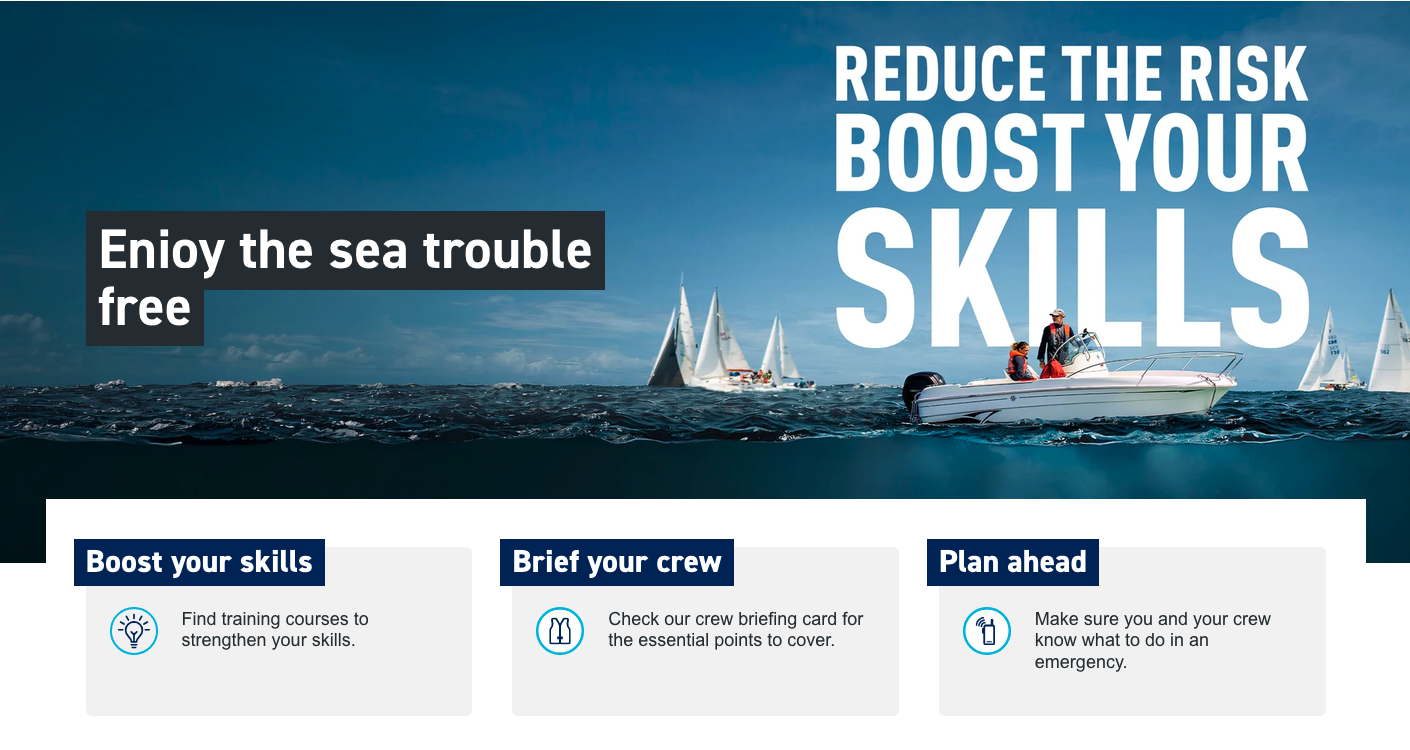
Sam Hughes, National Water Safety Partner at the RNLI, said: “We want everyone to enjoy our beautiful coastline but to do so safely. If you are heading afloat, it’s important to be prepared. We’d urge boaters to always wear a lifejacket or buoyancy aid, carry a means of calling for help, and let someone know where you are going and when to expect you back. We’d also encourage boaters to download our checklists to help them stay safe afloat. They can be downloaded for free at RNLI.org/boostskills.”
Natasha Whiting, insurance expert at Craftinsure, added: “These findings show that even the most experienced boaters are more likely to check their engine than to check in with someone before they leave the shore. That’s exactly the kind of behaviour gap we want to help close, which is why we have partnered with the RNLI on water safety education. Cover matters, but so does making sure people get home safely – and telling someone your plans costs nothing yet could make all the difference.”
A survey respondent also commented: “I’ve been sailing for 50 years, and if it can happen, eventually it will happen. So, make sure that it can’t happen!”
What’s on the RNLI’s safety checklist?
-
Check the weather forecast and tide times.
-
Plan your passage and tell someone ashore where you’re going and how long you’ll be gone.
-
Check your lifejackets and make sure they’re fitted correctly.
-
Check onboard equipment and safety equipment.
-
Check your engine, fluid levels and bilge.
-
Check the kill cord is working if fitted.
-
Check your engine for cooling water through the exhaust or tell tale.
-
Let the engine warm up.
-
Check the forward and reverse gears.
-
Make sure your crew are wearing appropriate clothing for the conditions and the forecast.
-
Brief your crew and include safety considerations.
*The survey was conducted in May 2026 among 670 marine policyholders of Ripe Insurance, parent company of Craftinsure, GJW Direct and Insure4Boats