





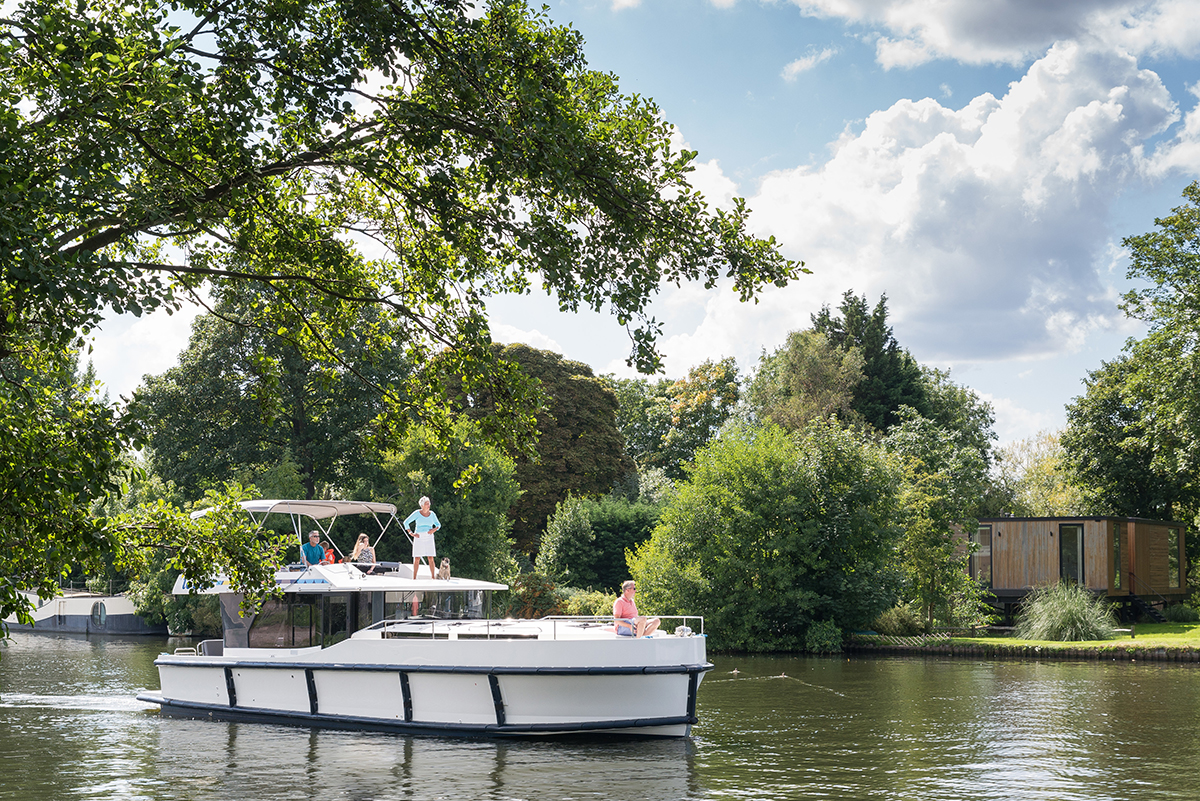
With families increasingly seeking slower-paced, more experiential, and screen-free ways to travel together, self-drive boating holidays are emerging as an appealing alternative to traditional summer breaks. Inland waterway holiday operator, Le Boat, reports as many as 40% of customers travelling as a family in 2026.
Offering freedom, adventure and quality time outdoors, days on the water unfold at a leisurely pace and even simple moments like helping with ropes, wildlife spotting, and sharing breakfast or lunch on deck become treasured memories.
A natural next step for families that have done their fair share of road trips, glamping or camping, a boating holiday is ideal for those looking to travel independently and more mindfully, reconnect with nature and with each other, beat the school holiday crowds of more traditional holiday hotspots, and experience a unique perspective of new or much-loved destinations from the serenity of the water.
Family boating expert at Le Boat, Rachel Reditt, says: “One of the most surprising things about a family boating holiday is how quickly children swap screens for real-world adventure. Whether they’re helping moor the boat or operate locks, engaging with fellow boaters, spotting wildlife, or taking the helm for the first time, children of all ages become genuinely invested in the journey.
“It’s a unique holiday experience that encourages discovery, fosters bonding, and creates memories that simply don’t happen on most holidays.”
A boating holiday requires no licence and no previous experience, and whilst it can feel daunting – especially for families navigating the waterways for the first time – with the right preparation it provides so many opportunities to learn new skills and adopt new roles and responsibilities, building confidence and empowering both adults and children alike.
Whether new to boating or returning for another adventure on the water, the below tips will ensure the best family boating experience this summer…
- Compare different destinations
It’s a good idea to research destinations and routes, comparing summer temperatures, swimming opportunities, the number of locks, family-friendly attractions, and any cultural events in the calendar.
A staycation can provide familiarity with regards to language and dining options when travelling with children, whilst a route with fewer locks might offer a less stressful experience.
If the children are used to holidaying in a particular destination, however, a boating holiday can offer a whole new experience of it.
Quality boating operators offer region guides and content hubs with a host of useful information available online, and it’s also worth investigating recommended itineraries to ensure you make the most of your time onboard.
- Pick the right boat for your family
A spacious and open-plan lounge and dining area will provide a comfortable setting for family meals and relaxing evenings, whilst allowing parents to keep an eye on younger children.
A ground-level forward view from indoors and easy access to the bow also works particularly well for families, allowing older children and teenagers to help moor without having to circumnavigate the boat from the stern. Younger kids will also enjoy watching where they are going while playing safely inside.
Le Boat’s ‘Dancer’ range of boats, for example (sleeping 4, 6 or 8 guests), is especially popular with families thanks to a convenient door at the front of the boat leading straight out from the lounge/diner onto a high-sided, outside seating area.
- Give children a role onboard
Children of all ages will love helping out with age-appropriate boating tasks.
Younger kids can be given ‘lookout duties’ helping to spot birds, bridges, or signs, while older ones might watch distances or alert the captain when there’s a kayaker in the water or another boat is approaching.
Teenagers are a great help when it comes to mooring, lock operation, and even helping to steer, and kids of all ages can help with keeping the boat tidy, supporting with meal preparation and managing the playlist.
So long as tasks are collaborative and optional rather than obligatory, giving children the opportunity to participate will keep them engaged, aware, and make the experience much more of an adventure, creating the excitement, connection and lasting memories.
- What to pack to enhance the family boating experience
Whilst newer or more premium boats will likely have built-in Bluetooth speakers or entertainment systems, it’s worth taking a portable speaker if you’ve booked a more classic model. Compile a dedicated playlist ahead of the holiday, including favourites from all the family, to create the perfect soundtrack to your family boating adventure.
If your boat doesn’t come equipped with a smart TV and you don’t want to go completely screen-free, you could pack an inexpensive fabric projector screen and portable projector for cosy evenings onboard watching family movies or catching up on a favourite boxset.
Whether you facilitate or veto screentime, age-appropriate games, activity books, sketchbooks and pens, playing cards, and books are a must for any family boating holiday. Just be sure not to take too many bulky boardgames as storage space can be limited. And watch out for wind gusts if playing any games or creating artwork out on deck!
Quality binoculars are key for spotting birds of prey and other waterway wildlife. Not only will they keep kids occupied but they’ll also help children learn about and better appreciate the natural environment and outdoor living.
Sun protection, hats, sunglasses, non-slip footwear, lightweight waterproofs, insect repellent, a torch, a portable charger pack, a small first aid kit and plenty of drinking water are essential items to ensure a seamless summer boating experience – whether travelling with or without children.
- Take the stress out of mealtimes
Depending on your boat, cupboard, fridge and freezer space can sometimes be limited, so work out the meals you plan to prepare or cook onboard ahead of time to minimise food waste and make grocery shop pit stops more seamless.
It’s advisable to arrive with (or buy after check-in) at least the first couple of meals’ worth of groceries. And to avoid any onboard tantrums, don’t forget the kids’ favourite snacks, treats and breakfast choices too.
Most waterways are lined with local markets, farm shops, and family-friendly restaurants, making it easy to stock up on fresh produce or enjoy a meal ashore while also discovering local culture and cuisine. Supermarkets will also be easily accessible in towns and cities lining the riverbank.
- Leave room for spontaneity
Flexibility is crucial when enjoying a boating holiday and even more so when travelling with children.
Whilst a boating holiday is typically very active, the maximum speed limits (only 5mph or 8km/h in the UK for example) mean life on the water encourages a much slower pace, forcing us to appreciate the journey and the surrounds rather than rushing to cover as much ground as possible.
An unexpected queue at a lock, an extended conversation with a lock keeper, an attraction that took longer to explore than anticipated, a last-minute grocery run, an afternoon nap, a beautiful sunset… All of these things can change the course of any given day.
Whilst it’s important to plan your route and have an idea of the places you want to visit, avoid overscheduling and forcing the itinerary. Manage expectations and don’t be disappointed if plans need to change – detours, spontaneous experiences, and downtime are important and can bring unexpected joy.
A boating holiday is the perfect opportunity to teach kids how rewarding it can be to (literally) go with the flow.
- Balance cruising with time ashore
To stretch legs (and minds) and avoid cabin fever – especially with younger or more energetic children – factor in manageable cruising distances and try to spend at least a few hours a day off the boat.
Aim for one main activity per day, whether that’s exploring a historical town, hiking or cycling, enjoying some kayaking or paddleboarding, visiting a theme park or tourist attraction, gift shopping, or finding a nice restaurant to dine out.
Time ashore gives the whole family valuable breathing space, helps tire out little ones for calmerevenings, and makes time back on the boat even more enjoyable.
- Embrace slowness and take cues from nature
Just like camping, a boating holiday immerses you in nature, and to optimise wellbeing, it’s important to relax into the rhythm of your surrounds and let nature provide the cues.
It won’t take long for adults and children to find and take pleasure in living at a more natural tempo, waking to birdsong, contemplating beautiful rural vistas as you enjoy a lunch up on deck, breathing the fresh air on walks, mooring up to enjoy a breathtaking sunset, and allowing slowness and sleepiness to take hold as the night draws in.
Not only that, the transition from daylight to darkness means it’s legally time to moor up for the night when cruising on an inland waterway, so to avoid mooring mishaps as visibility is decreasing, keep an eye on the time and make sure you’re comfortably moored ahead of nightfall, allowing you to relax into your evening onboard.
- Simple safety rules for families
Safe boating with children is supported by many small, everyday choices and clearly defined roles and responsibilities. To keep the whole family safe and stress-free during a boating holiday:
- Under 5s must be supervised at all times and wearing life jackets when out on deck
- Ensure all children (and adults!) understand the rule of no running on deck
- Encourage children to wear non-slip shoes on deck
- Keep decks clutter-free to reduce trips and slips
- Create a “boat safe zone” with cushions, toys, and books inside, so little ones have somewhere that feels like their own space while the boat is underway
- Ensure smaller children are inside or seated in the centre of the deck area when approaching a lock or docking spot
- Don’t allow children to lean over railings or sit with legs dangling outside the boat
- Involve children in general boat care, including wiping down surfaces, tidying the cabin, or storing crockery, glassware and personal items before moving off
- Incorporate hydration and shade breaks into a routine to help prevent fatigue
- Clearly define age-appropriate roles, responsibilities and limits
Rachel concludes: “A family boating holiday isn’t about rushing from place to place. It’s about spending meaningful time together, discovering new places at your own pace, and letting the journey become part of the adventure. For many families, that’s what makes it such a memorable experience.”
To book your self-drive boating holiday, visit www.leboat.com/en